
Affiliate Disclosure: GeneratorIntel participates in the Amazon Services LLC Associates Program. We earn commissions from qualifying purchases through our Amazon links at no extra cost to you. We recommend products based on specifications, performance, and value, not commission rates.
Rural homeowners know the problem: the power goes out, and within a few hours the pressure tank runs dry. No water for toilets, no water for livestock, no water for anything. A generator fixes that - if you sized it right. Buy too small and you get the same result as no generator: a well pump that will not start.
The mistake is buying based on running watts alone. A 1 HP submersible pump runs at roughly 1,500W, but when the pressure switch kicks it on, the motor draws 3,500 to 5,000W for a second or two. If the generator cannot supply that surge, the pump faults out and the generator may trip its own breaker. The well pump wins. You lose water.
This guide covers the full sizing math: pump horsepower to starting watts, 240V outlet requirements, pressure tank behavior, and five verified generator models that can actually do the job. We also cover transfer switch basics so you can connect safely without calling an electrician for emergency service at 2 AM.
Table of Contents
- Quick Picks at a Glance
- Pump Motor Wattage by HP
- Inrush Current: The Number That Actually Sizes Your Generator
- Minimum Safe Generator Size by Pump HP
- How a Pressure Tank Affects Generator Load
- Complete System Load Calculation
- Generator Models That Work
- Spec Comparison Table
- The Undersizing Mistake and How It Kills Pumps
- Frequently Asked Questions
Quick Picks: Best Generators for Well Pump Backup 2026
Five verified generators, each suited to a specific pump size and household load. Scroll down for full specs and sizing rationale.
| Generator | Peak / Running | Best For | Fuel | Price |
|---|---|---|---|---|
| Westinghouse WGen9500DF | 12,500W / 9,500W | 1 HP+ pump + full home | Dual fuel | Check Price on Amazon |
| Westinghouse WGen7500DF | 9,500W / 7,500W | 1/2-1 HP pump + essentials | Dual fuel | Check Price on Amazon |
| Champion 201223 Tri-Fuel | 9,375W / 7,500W | 1 HP pump, rural properties | Gas/propane/NG | Check Price on Amazon |
| Generac GP7500E DF | 9,375W / 7,500W | 1 HP pump, reliability-first | Dual fuel | Check Price on Amazon |
| WEN DF500iX Inverter | 6,250W / 5,000W | 1/2 HP pump, quiet operation | Dual fuel | Check Price on Amazon |
Pump Motor Wattage by HP
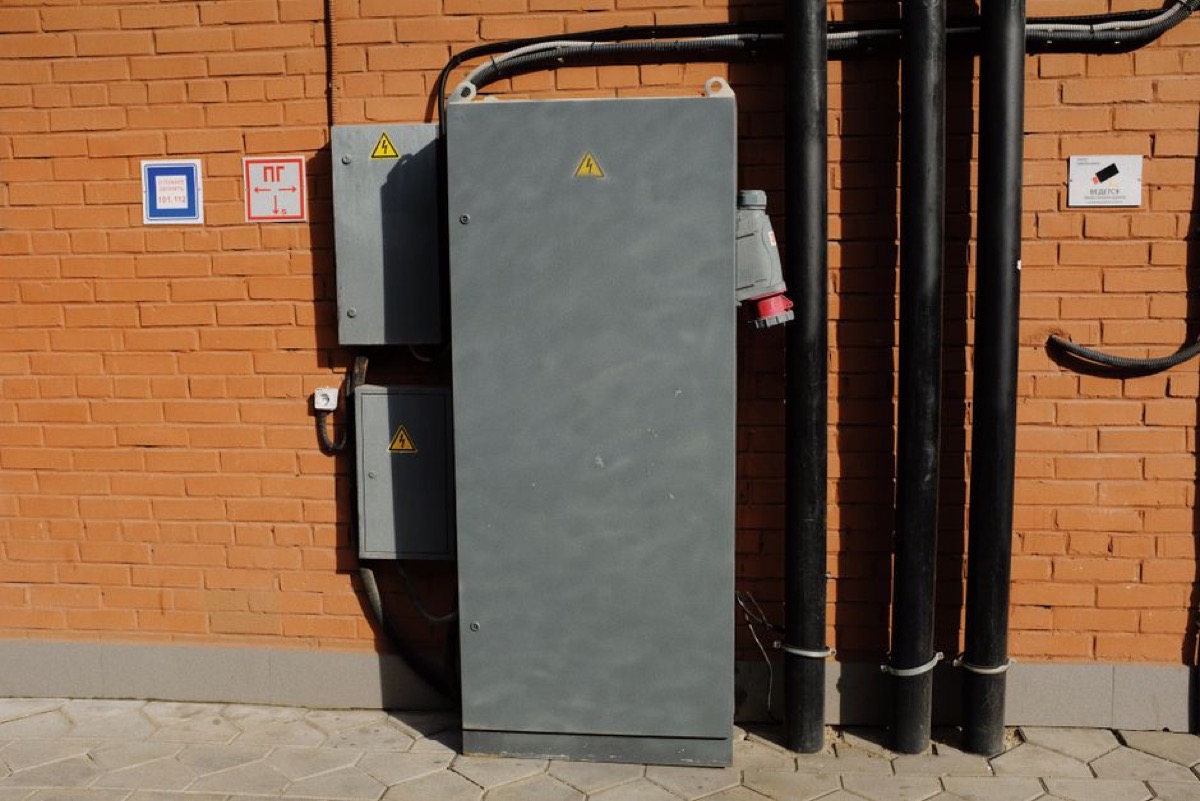
The starting point is your pump's horsepower rating. You find it on the pump nameplate (look on the motor housing or the control box cover) or in the original installation paperwork. County well records sometimes list it. If nothing is available, a 2-3 bedroom home on a typical residential well is most often a 1/2 HP submersible.
Here are the running and starting watts for the most common pump sizes:
| Pump HP | Running Watts | Starting Surge Watts | Voltage |
|---|---|---|---|
| 1/3 HP (shallow jet) | 500-900W | 1,500-2,500W | 120V or 240V |
| 1/2 HP submersible | 900-1,100W | 2,100-2,800W | 240V (most) |
| 3/4 HP submersible | 1,200-1,600W | 3,000-4,500W | 240V |
| 1 HP submersible | 1,500-2,000W | 3,500-5,000W | 240V |
| 1.5 HP submersible | 2,200-2,500W | 5,000-7,500W | 240V |
The range in each cell is real - the same pump HP can have meaningfully different starting amps depending on motor age, wire run length, water column depth, and whether the pump has a capacitor start or permanent split capacitor design. A worn motor draws more starting current than a new one. A pump pulling water from 200 feet draws more than one pulling from 80 feet. These are the reasons sizing tables give ranges rather than exact numbers.
For final sizing, read the pump's locked rotor amps (LRA) from the motor nameplate. Multiply LRA by voltage to get the actual starting watts. That number is more reliable than any chart for your specific pump.
Inrush Current: The Number That Actually Sizes Your Generator
Every AC induction motor - including the motor inside a submersible well pump - draws a large current spike when it first starts. This spike is called inrush current or locked rotor current. It lasts 1 to 3 seconds while the motor accelerates from zero to full speed.
The practical implication: your generator's peak surge rating - not its continuous running rating - must be high enough to supply that spike. If the surge exceeds the generator's peak capacity, one of three things happens:
- The generator's circuit breaker trips (safe, but you still have no water)
- The generator's voltage drops so low the pump motor cannot accelerate - called a stall - which causes the motor to overheat and potentially burn out
- The generator keeps running but runs roughly and produces distorted power that trips the pump's thermal overload protector
All three outcomes leave you without water. The generator and pump are not damaged in the first case, but in the second case the motor damage is cumulative and expensive. A burnt-out submersible pump means pulling the well casing - typically $500-$2,000 in labor alone.
The fix is simple: buy a generator whose peak surge rating is at least 25% above your pump's starting watts. That headroom absorbs the actual inrush and the additional loads running when the pump cycles on (refrigerator motor, furnace fan, lights).
Minimum Safe Generator Size by Pump HP
These minimums apply when running the pump alongside typical household essentials: refrigerator (150W running / 800W surge), freezer (200W running), lights (200W total), and a gas furnace fan (500W). If you run more appliances simultaneously, size up accordingly.
| Pump HP | Pump Starting Watts | Total Load Surge | Minimum Generator Size | Recommended Generator Size |
|---|---|---|---|---|
| 1/3 HP | 1,500-2,500W | ~3,300W | 4,000W peak / 240V | 5,000W |
| 1/2 HP | 2,100-2,800W | ~3,800W | 5,000W peak / 240V | 7,500W |
| 3/4 HP | 3,000-4,500W | ~5,500W | 7,500W peak / 240V | 9,500W |
| 1 HP | 3,500-5,000W | ~6,800W | 9,500W peak / 240V | 12,500W |
| 1.5 HP | 5,000-7,500W | ~9,500W | 12,500W peak / 240V | 15,000W |
The 240V requirement is not optional. Nearly all submersible well pumps and most 3/4 HP+ jet pumps operate at 240V. A generator that only outputs 120V cannot power them regardless of the wattage on the label. Check the generator's outlet panel for a 30A 240V twist-lock receptacle (L14-30R). That outlet appears on most conventional generators at 5,000W and above. Inverter generators are often 120V-only at smaller wattages - verify before buying.
How a Pressure Tank Affects Generator Load
Your well system has a pressure tank - a steel or fiberglass tank with an air bladder that stores pressurized water. The tank supplies water between pump cycles. When pressure drops to the cut-in setting (usually 30-40 PSI), the pressure switch triggers and the pump starts. When pressure reaches the cut-out setting (usually 50-60 PSI), the pump stops.
The pressure tank matters for generator sizing for two reasons:
1. Tank size determines how often the pump cycles. A properly sized pressure tank (typically 20-86 gallons for residential wells) allows the pump to run for 1-2 minutes per cycle and rest for several minutes. An undersized or waterlogged pressure tank causes short-cycling - the pump starts and stops every 30-60 seconds. Each start is a full inrush current event. A generator borderline on surge capacity may handle the first start fine but fault on the fourth or fifth rapid restart as it warms up and loses a bit of peak output capacity.
2. When the generator first starts up, the pressure tank is empty. If you start the generator after a prolonged outage, the tank has already drained to cut-in pressure or below. The pump starts immediately at the generator startup, which means the generator handles its own warmup inrush plus the pump's full starting surge at the same time. Give the generator 30 seconds to stabilize at idle before applying the well pump load.
Practical rule: if your pressure tank is undersized (tank smaller than 20 gallons, or the pump cycles more than once every 2 minutes under normal use), add 15-20% to your calculated generator size to handle the extra starting frequency stress.
Complete System Load Calculation
Here is a worked example for a typical rural home. Use these numbers as a template and substitute your actual pump HP and appliance list.
Scenario: 3-bedroom home, 1/2 HP submersible pump (240V), wants to run the pump plus fridge, freezer, lights, furnace fan, and phone/router chargers during an outage.
| Load | Running Watts | Starting Surge Watts |
|---|---|---|
| Well pump (1/2 HP, 240V) | 1,000W | 2,500W |
| Refrigerator | 150W | 800W (compressor surge) |
| Chest freezer | 200W | 400W |
| LED lights (8 bulbs) | 80W | 80W (no surge) |
| Gas furnace fan | 500W | 1,000W |
| Phone/router/modem | 50W | 50W |
| Total running | 1,980W | - |
| Worst-case surge (pump + fridge both start) | - | ~4,830W peak |
The worst-case peak is around 4,830W. With 25% headroom for reliability, you want a generator with at least 6,000W peak surge output and a 240V outlet. In practice, the 7,500W class (9,500W peak) is the right fit - it handles this load with enough margin that the pump starts reliably even if the refrigerator compressor happens to kick on at the same moment.
A 5,000W generator at 6,250W peak is right at the edge for this scenario. It may work most of the time, but any additional load (a TV, a phone charger, a sump pump) during a pump startup will tip it over. Buy margin. The cost difference between 5,000W and 7,500W units is $200-$300. A service call to pull and replace a burnt submersible pump costs $800-$2,500.
Generator Models That Work
1. Westinghouse WGen9500DF - Best All-Around for 1 HP+ Pumps
The WGen9500DF delivers 9,500 running watts and 12,500 peak watts on gasoline, with a 457cc cast iron sleeve engine built for the kind of sustained high-load cycling that well pump backup creates. The 30A 240V twist-lock outlet is present. Remote key fob start means you can fire it up from the garage door and let it stabilize before flipping the transfer switch. Runtime is 12 hours at 50% load on the 6.6-gallon tank - enough to cover most outages on a single fill of each fuel tank.
The WGen9500DF handles a 1 HP pump (5,000W surge) plus a full household load with 7,500W of surge headroom remaining. It also runs on propane for indefinite fuel storage, which matters when a 72-hour storm outage has the gas stations backed up or closed.
2. Westinghouse WGen7500DF - Best Value for 1/2 to 1 HP Pumps
The WGen7500DF is the right-size option for the majority of rural homeowners with a 1/2 HP or 3/4 HP submersible pump and typical household essentials. At 7,500 running watts and 9,500 peak watts, it handles a 3/4 HP pump's 4,500W surge with 5,000W of headroom left for the rest of the house. The 420cc cast iron sleeve engine matches the WGen9500DF's durability rating in a lighter, more manageable package.
The 240V twist-lock outlet is included. VFT data center displays voltage, frequency, and running hours - useful for load monitoring during an extended outage. Priced $100 less than the larger model, it is the sweet spot for pump-plus-essentials backup at a household scale.
3. Champion 201223 Tri-Fuel - Best for Extended Outages and Rural Properties
The Champion 201223 runs on gasoline, propane, or natural gas from a pipeline connection. For rural properties where propane is already plumbed for a furnace or range, the natural gas option provides essentially unlimited runtime during an outage - no fuel runs required. That changes the calculus on a multi-day storm outage significantly.
At 7,500 running watts and 9,375 peak watts with a 240V outlet, the sizing profile matches the WGen7500DF. The Champion's advantage is fuel flexibility; the Westinghouse's advantage is the VFT monitoring and the larger 6.6-gallon tank. If you have propane or natural gas at your property, the Champion 201223 earns serious consideration for its fuel resilience alone.
4. Generac GP7500E DF - Best if Brand Reliability is the Priority
Generac makes whole-house standby generators - the machines that run unattended for days during extended outages. The GP7500E DF brings that engineering pedigree to a portable form factor. The OHVI engine (overhead valve, horizontally opposed) runs cooler and lasts longer than most portable generators under extended high-load conditions. CO-Sense monitoring shuts the unit down if carbon monoxide builds up in an enclosed space.
At 7,500 running watts and 9,375 peak watts with a 240V outlet, the sizing matches the WGen7500DF class. It costs more - the Generac reliability premium is real - but for a homeowner who wants peace of mind during a 48-hour outage with a pump running every 20 minutes, the Generac track record justifies the price difference.
5. WEN DF500iX Inverter - Best for Small Pumps and Quiet Properties
The WEN DF500iX is the exception in this list: an inverter generator. Most inverter generators are 120V-only, but the DF500iX includes a 30A 240V outlet, which makes it viable for a 1/2 HP submersible pump. At 5,000 running watts and 6,250 peak watts, it has enough headroom for a 1/2 HP pump's 2,500W surge plus modest household loads.
The inverter advantage: 58 dBA operation (versus 72-76 dBA for conventional open-frame generators), clean sine wave power that is safe for sensitive electronics, and better fuel efficiency at partial load. If your pump is small, your property has neighbors within earshot, and you also want to run a laptop or CPAP machine during the outage, the WEN DF500iX solves more problems than a conventional generator of similar wattage.
Spec Comparison Table
| Model | Running / Peak Watts | 240V Outlet | Fuel | Noise (dBA) | Tank / Runtime | Best Pump HP |
|---|---|---|---|---|---|---|
| WGen9500DF | 9,500 / 12,500 | 30A L14-30R | Gas/propane | 74 | 6.6 gal / 12 hr | Up to 1.5 HP |
| WGen7500DF | 7,500 / 9,500 | 30A L14-30R | Gas/propane | 72 | 6.6 gal / 11 hr | Up to 1 HP |
| Champion 201223 | 7,500 / 9,375 | 30A L14-30R | Gas/propane/NG | 74 | 5.9 gal / 10 hr | Up to 1 HP |
| Generac GP7500E DF | 7,500 / 9,375 | 30A L14-30R | Gas/propane | 76 | 6.8 gal / 10 hr | Up to 1 HP |
| WEN DF500iX | 5,000 / 6,250 | 30A L14-30R | Gas/propane | 58 | 2.2 gal / 10 hr | 1/2 HP max |
The Undersizing Mistake and How It Kills Pumps
The most common well pump generator mistake is buying a 3,000W or 3,500W generator because the store associate said it is enough for essential loads. For a 120V household circuit, it can be. For a 240V submersible pump, it is the wrong tool in two ways: wrong voltage and wrong surge capacity.
Here is what undersizing actually costs:
Repeated failed starts damage the motor. When a pump motor tries to start but cannot fully accelerate - because the generator drops voltage under load - the motor draws locked rotor current continuously for several seconds before the overload protector trips. Each failed start puts thermal stress on the motor windings. Ten failed starts are worth roughly 200 normal starts in terms of insulation degradation. A motor in good condition may survive. A motor that is five years old and running warm may not.
The generator suffers too. Running at or above peak capacity for several seconds on each pump start overheats the generator's alternator windings and the engine's oil. Repeated overloads shorten alternator life and can warp engine components if the generator runs at extended overload without the circuit breaker tripping.
The safe floor is 25% surge headroom above the pump's starting watts plus all other running loads. That number is not conservative - it is the actual margin needed to absorb real-world variation in pump inrush (which varies with water column depth, motor temperature, and age) and to handle the simultaneous startup of other motor loads on the circuit.
One more note on connection: well pumps are hardwired circuits, not plug-in appliances. Connecting a generator to a well pump requires a manual transfer switch or interlock kit that physically disconnects the utility feed before connecting the generator. Running the generator with the utility still connected is backfeeding - it can electrocute utility workers restoring power and is illegal in all US jurisdictions. Budget $200-$600 for the transfer switch hardware and electrician installation. Do it once, do it right.
Frequently Asked Questions
What size generator do I need to run a 1/2 HP well pump?
A 1/2 HP submersible well pump runs at roughly 900-1,000W but surges to 2,100-2,500W on startup. With household loads added (fridge, lights, furnace fan), you need a generator with at least 5,000 peak watts and 240V output. The Westinghouse WGen7500DF handles a 1/2 HP pump plus full household essentials with margin to spare. For the pump alone with minimal other loads, the WEN DF500iX at 6,250W peak also works.
Will a 3500 watt generator run a well pump?
Only for a very small 1/3 HP shallow well jet pump running alone with no other loads. Most submersible well pumps are 240V and require 5,000+ watts of peak capacity. A 3,500W generator typically lacks a 240V outlet and cannot supply the startup surge that well pump motors need. Size up to a 5,000W or 7,500W unit with a 240V outlet.
Can a 5000 watt generator run a well pump?
Yes, for a 1/2 HP submersible pump running alone or with light loads. A 5,000W generator with 240V output handles a 1/2 HP pump (2,100-2,500W surge) plus a refrigerator and lights. For 3/4 HP or 1 HP pumps, or if you need to run a full household circuit during an outage, move up to a 7,500W dual-fuel unit.
Does a well pump require a 240V generator?
Nearly all submersible well pumps and most 3/4 HP+ jet pumps operate on 240V. A 120V-only generator cannot power them regardless of wattage. You need a generator with a 30A 240V outlet (L14-30R receptacle). Most conventional generators at 5,000W and above include this outlet. Check the generator specs before purchasing - do not assume because the label shows a large wattage number that 240V output is present.
How do I connect a generator to a well pump?
Well pumps are hardwired to your electrical panel through the pressure switch circuit. To safely connect a generator, you need a manual transfer switch or interlock kit installed by a licensed electrician. Never backfeed through a dryer outlet or extension cord - this is illegal and dangerous. A properly installed transfer switch lets you safely switch the well pump circuit to generator power during an outage.
What is the startup surge for a well pump and why does it matter?
Well pump motors draw 2.5 to 5 times their running wattage for 1-3 seconds on startup. A 1 HP pump running at 1,500W can surge to 3,500-5,000W when it kicks on. If the generator's peak surge rating cannot absorb this spike, the generator trips its breaker or the pump motor fails to start. Always size your generator to handle the pump's starting watts, not just its running watts.
The 2026 Verdict
For most rural homeowners with a 1/2 HP or 3/4 HP submersible pump, the Westinghouse WGen7500DF is the right buy: 9,500W peak, 240V output, dual-fuel flexibility, and proven reliability at the price point where it actually makes sense to own one. Step up to the WGen9500DF if your pump is 1 HP or larger, or if you want to run more of the house simultaneously.
If fuel flexibility during a multi-day outage is the top concern, the Champion 201223 tri-fuel model's ability to pull from a natural gas line or bulk propane tank is worth the slight premium. If noise is a concern and your pump is 1/2 HP or smaller, the WEN DF500iX inverter solves the sound and clean-power problem while still providing 240V output.
Whatever you choose: install the transfer switch before the outage. Size to the surge, not the running watts. And get the pump nameplate data before you buy the generator. The number on the nameplate beats any chart.
Related Generator Guides
Affiliate Disclosure: GeneratorIntel participates in the Amazon Services LLC Associates Program, an affiliate advertising program designed to provide a means for sites to earn commissions by linking to Amazon.com. We earn commissions from qualifying purchases made through our Amazon links at no additional cost to you. These commissions support our research, testing, and content creation. We recommend products based on specifications, performance, and value, not commission rates.