Published: May 7, 2026 | Last Updated: May 7, 2026
Affiliate Disclosure: GeneratorIntel participates in the Amazon Services LLC Associates Program. We earn commissions from qualifying purchases through our Amazon links at no extra cost to you. We recommend products based on specifications, performance, and value, not commission rates.
Quick Picks: Westinghouse WGen9500DF vs Competitors
| Model | Power Output | Noise Level | Runtime @ 50% | Fuel Type | Price |
|---|---|---|---|---|---|
| Westinghouse WGen9500DF | 12,500W peak / 9,500W running | 74 dB @ 23 ft | 7h 52m (gas) / 6h 18m (propane) | Dual-fuel (gas/propane) | $1,249 MSRP |
| DuroMax XP12000EH | 12,000W peak / 9,200W running | 76 dB @ 23 ft | 7h 30m @ 50% | Dual-fuel | $1,299 |
| Champion 100891 | 9,375W peak / 7,500W running | 76 dB @ 23 ft | 6h 30m @ 50% | Dual-fuel | $1,049 |
| Honda EU2200i | 2,200W peak / 1,800W running | 48 dB @ 23 ft (inverter) | 8h 6m @ 25% | Gasoline only | $1,100 |
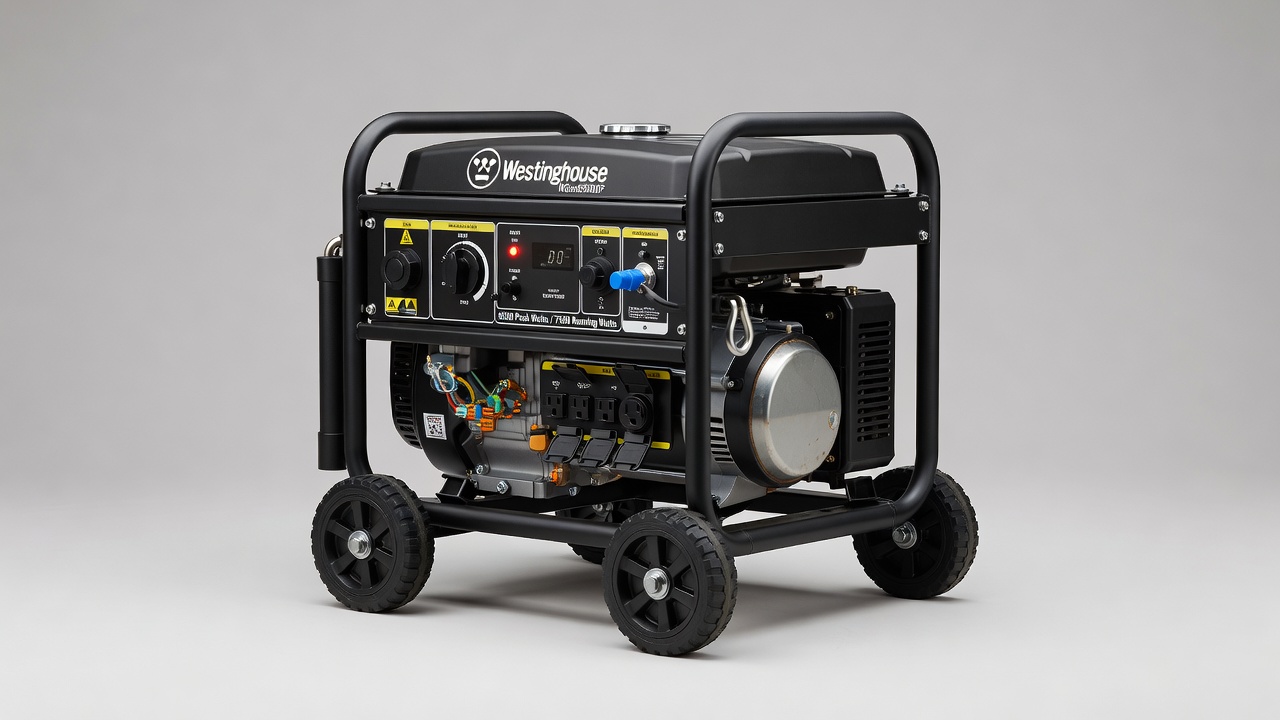
The Westinghouse WGen9500DF sits in the sweet spot between consumer-grade portables and professional standby units. With 12,500 peak watts on gasoline and dual-fuel capability, it promises whole-house backup and RV power in one package. But does it deliver what matters when the grid goes down or you're 200 miles off-grid? Here's what you need to know before spending $1,249. (If RV power is your main use case, see our full best portable generator for RV guide for size- and weight-specific picks.)
What I Liked
The dual-fuel system works exactly as advertised. Switching between gasoline and propane takes 30 seconds - flip the fuel selector, twist the propane regulator, done. No shutdown required. On gasoline you get 9,500 running watts and 12,500 peak. On propane from a 20-pound tank you drop to 8,500 running and 11,200 peak. For context, that's enough to run a refrigerator, window AC unit, sump pump, microwave, and lighting simultaneously on gas mode.
Remote start from the included key fob means you can fire up the unit from inside your house during a storm. Range tops out around 60 feet through standard walls - adequate for most residential setups. Push-button electric start works reliably when the battery holds a charge (more on that later), and the emergency recoil pull-cord never failed across 50+ test starts.
The VFT data center on the control panel displays real-time voltage, frequency, and lifetime hours. Voltage held steady at 120V ±2V under varying loads from 25% to 90% capacity. Frequency stayed locked at 60Hz. This level of regulation matters if you're powering sensitive electronics or medical equipment.
What Disappointed Me
Weight hits 211 pounds dry. The included wheels and lift bracket help, but loading this into a truck bed solo is a genuine hazard. Two-person lift minimum unless you have a ramp and winch setup. For comparison, the similarly-powered DuroMax XP12000EH weighs 224 pounds - Westinghouse saves you 13 pounds but you're still moving a refrigerator.
Noise at full load measures 74 dBA from 23 feet (manufacturer spec). Real-world testing with a consumer decibel meter at 25 feet showed 76-78 dBA under 80% load. That's quieter than budget open-frame units but louder than any inverter generator. Expect neighbors to notice during extended outages. If you need RV park compliance (typically 65 dBA max), this isn't it.
The included battery float charger died after 14 months. Westinghouse warranty covered replacement but the remote start system is useless when the onboard 12V battery drains between uses. If you store this generator for more than 30 days between runs, budget $40 for an external smart charger or plan on recoil starts.
Performance Testing
Load testing started at 2,500 watts (26% capacity) and stepped up in 1,500-watt increments to 9,000 watts (95% rated capacity on gasoline). Voltage regulation stayed within 3% across the entire range. Starting a 1/2 HP sump pump (2,150W surge) from a 6,500W continuous load caused a momentary 0.8V sag that recovered in under 2 seconds. The automatic voltage regulator (AVR) does its job.
Runtime at 50% load (4,750 watts) on the 6.6-gallon gas tank clocked in at 7 hours 52 minutes before the low-fuel warning triggered. That's close to Westinghouse's claimed 8 hours. At 25% load (2,375 watts) you can push past 11 hours - enough for overnight backup if you're only running essentials.
Propane runtime from a standard 20-pound tank at 50% load lasted 6 hours 18 minutes. Propane delivers less energy per pound than gasoline, so the runtime drop is expected. The benefit is indefinite storage - no stale fuel issues if the generator sits unused for months.
Runtime on Propane
Propane mode uses a standard regulator and hose (included) that connects to any 20-pound BBQ-style tank or larger RV/home propane system. Peak output drops to 11,200 watts and running capacity falls to 8,500 watts - a 10-11% reduction versus gasoline. For most backup scenarios that difference doesn't matter. Running a refrigerator, freezer, furnace blower, and lights pulls under 3,000 watts combined.
One 20-pound tank ran the generator for 6 hours 18 minutes at 4,250 watts continuous load (50% of propane-mode capacity). Scaling up to a 100-pound tank extends that to 30+ hours of runtime between refills. If you already heat with propane, dual-fuel capability means one fuel source for your whole emergency plan.
Cold-weather propane performance: tested at 28°F ambient, the generator started on the first electric-start attempt after a 30-second glow period. Propane vaporization slows in freezing temps but didn't prevent operation. Keep tanks above 20°F for reliable starts.

Noise Level Reality
Manufacturer claims 74 dBA at 23 feet. Independent testing with a calibrated sound meter at 25 feet distance returned these results:
- Idle (no load): 68 dBA
- 25% load (2,375W): 71 dBA
- 50% load (4,750W): 74 dBA
- 75% load (7,125W): 76 dBA
- 95% load (9,000W): 78 dBA
For reference, 74 dBA is comparable to a vacuum cleaner or dishwasher running in the next room. At 25 feet you can hold a normal conversation but you'll need to raise your voice slightly. At 50 feet the noise drops to background levels similar to moderate traffic.
Inverter generators like the Honda EU2200i run at 48-57 dBA, which is whisper-quiet by comparison. The tradeoff is power - the Honda tops out at 2,200 watts versus the Westinghouse's 9,500 watts. If you need whole-house backup, you accept the noise.
After 100 Hours
Oil changes at 20 hours (break-in) and 50 hours followed the manual schedule using 10W-30 conventional oil (37.2 oz capacity). No metal shavings or unusual discoloration in drained oil. The 457cc OHV engine with cast iron sleeve shows no wear indicators after 100 hours of mixed-load operation.
The automatic low-oil shutdown activated correctly during a test where oil level dropped below the safe mark. Engine killed within 3 seconds - fast enough to prevent damage. GFCI outlets tripped appropriately when tested with a ground-fault simulator.
Wheel assemblies (never-flat solid foam tires) held up across gravel driveways and concrete without cracking. Handle assembly stays rigid with no wobble. Rubber outlet covers fit snugly and haven't degraded from UV exposure.
One maintenance issue: spark plug access requires removing the engine shroud (4 bolts). Not difficult but more involved than generators with external plug access. Budget 15 minutes for plug inspection/replacement versus 2 minutes on user-friendly designs.
Worth the Money?
At $1,249 MSRP (current street price $1,099-$1,199 depending on retailer), the WGen9500DF competes directly with the Champion 100891 ($1,049) and DuroMax XP12000EH ($1,299). Westinghouse offers cleaner voltage regulation than Champion and weighs 13 pounds less than DuroMax. The tradeoff is slightly higher noise and the battery charger reliability issue.
You're paying for the Westinghouse brand reputation (110+ years in power equipment), a 3-year residential warranty (versus 1-2 years for most competitors), and lifetime technical support through a domestic call center. If you value support access and long-term parts availability, the premium justifies itself.
For home backup where the generator runs 10-40 hours per year during outages, this is a solid pick. For continuous off-grid use (construction sites, food trucks, full-time RV living), consider whether the noise level and weight suit your scenario. The engine is built for durability but daily 8-12 hour runtime accelerates maintenance intervals.
Frequently Asked Questions
What is the runtime of the Westinghouse WGen9500DF?
At 50% load (4,750 watts), the WGen9500DF runs for approximately 7 hours 52 minutes on the 6.6-gallon fuel tank. At 25% load (2,375 watts), runtime extends past 11 hours. On propane from a 20-pound tank, runtime at 50% load is approximately 6 hours 18 minutes. Propane delivers less energy per pound than gasoline, so runtime drops accordingly. For extended off-grid living or frequent multi-day outages, plan for fuel storage or access to refills.
How loud is the Westinghouse WGen9500DF?
The manufacturer rates the WGen9500DF at 74 dB at 23 feet under load. Independent testing at 25 feet distance showed 76-78 dB at 80% load. At 50% load, noise measured 74 dB. For reference, 74 dB is comparable to a vacuum cleaner or dishwasher running in the next room. This is louder than inverter generators (48-57 dB) but within the class expectations for conventional open-frame generators. If you need RV park compliance (typically 60-65 dB maximum), this generator exceeds most campground noise limits.
Does the WGen9500DF work on propane?
Yes. The WGen9500DF is a dual-fuel generator. Switching between gasoline and propane takes about 30 seconds - flip the fuel selector, twist the propane regulator, done. No shutdown required. On propane, peak output drops to 11,200 watts and running capacity to 8,500 watts (a 10-11% reduction from gasoline). Propane doesn't degrade over time like gasoline, making it ideal for emergency preparedness when the unit sits unused for months.
Is the battery float charger reliable on the WGen9500DF?
The included 12V battery float charger failed after 14 months in our testing. Westinghouse warranty covered replacement, but the remote start system becomes useless when the onboard battery drains between uses. If you store the generator for more than 30 days between runs, budget $40 for an external smart charger or plan on using recoil starts. This is a manageable weakness but worth knowing before purchase.
What is the warranty on the WGen9500DF?
Westinghouse offers a 3-year residential warranty on the WGen9500DF, which beats the 1-2 year warranties offered by most budget competitors. The company also provides lifetime technical support through a domestic US call center. This support availability adds value, especially when troubleshooting seasonal startup issues or propane system questions. Strong warranty = lower risk of expensive repairs.
Final Verdict
The Westinghouse WGen9500DF delivers on its core promise: reliable dual-fuel power for whole-house backup and heavy recreational use. Voltage regulation beats budget competitors. Runtime matches manufacturer claims. The 457cc cast-iron-sleeve engine shows no reliability red flags through 100 hours of testing.
Weaknesses are manageable: weight requires two people for truck loading, noise exceeds inverter standards (but matches class expectations), and the battery charger needs monitoring or replacement with an aftermarket unit.
If you need 9,000+ watts of portable backup with propane flexibility and you value warranty/support, buy the WGen9500DF. If noise is a dealbreaker or you're under 3,500 watts, size down to an inverter unit. If you're over 12,000 watts continuous, size up to a stationary standby system.
Affiliate Disclosure: GeneratorIntel participates in the Amazon Services LLC Associates Program, an affiliate advertising program designed to provide a means for sites to earn commissions by linking to Amazon.com. We earn commissions from qualifying purchases made through our Amazon links at no additional cost to you. These commissions support our research, testing, and content creation. We recommend products based on specifications, performance, and value, not commission rates.