Affiliate Disclosure: GeneratorIntel participates in the Amazon Services LLC Associates Program. We earn commissions from qualifying purchases through our Amazon links at no extra cost to you. We recommend products based on specifications, performance, and value, not commission rates. As an Amazon Associate I earn from qualifying purchases.
The question comes up at every generator sales counter and every online forum: propane or natural gas? Both fuels power the same machines. Both skip the fuel-storage headaches of gasoline. Both are cleaner-burning than diesel. But they solve different problems, and buying the wrong one for your situation costs real money and creates real risk during the outages that matter most.
The honest answer is shorter than most articles make it: if your property has natural gas service, use natural gas. If it does not, propane is your fuel and it works well. Everything else in this article is context for the cases where that simple rule does not obviously apply.
Quick Picks: Top Propane and Natural Gas-Compatible Generators
| Generator | Running Watts (Gas / Propane) | Fuel Type | Best For | Price |
|---|---|---|---|---|
| Generac Guardian 22kW (7043) | 22,000W NG / 19,500W LP | Natural Gas or Propane (standby) | Whole-home automatic backup | Check Price on Amazon |
| Westinghouse WGen9500DF | 9,500W gas / 8,500W propane | Gas + Propane (portable dual-fuel) | Home backup + portability | Check Price on Amazon |
| Westinghouse WGen9500DFc | 9,500W gas / 8,500W propane | Gas + Propane + CO Sensor | Home backup with CO safety | Check Price on Amazon |
| Generac GP7500E DF | 7,500W gas / 6,750W propane | Gas + Propane (portable dual-fuel) | Essential circuits backup | Check Price on Amazon |
| Westinghouse WGen7500DF | 7,500W gas / 6,750W propane | Gas + Propane (portable dual-fuel) | Budget whole-home essential backup | Check Price on Amazon |
Fuel Availability: Where Each Fuel Wins
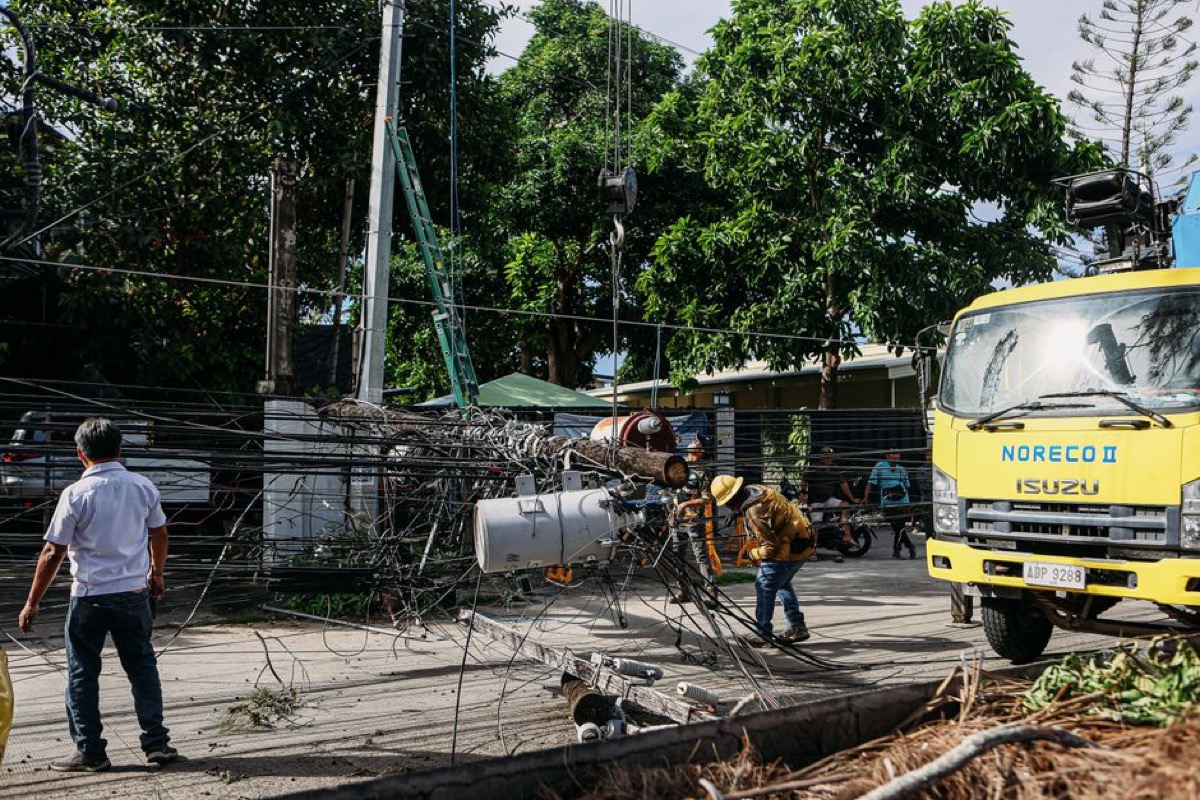
Natural gas comes from a buried pipeline. No tanks, no deliveries, no running out. When the power grid fails from a storm, the gas distribution network is almost always unaffected - those pipes are underground and rated for decades of continuous service. A natural gas generator connected to your home's gas line will run for as long as the outage lasts, with no intervention required.
Propane is stored on-site in a tank. That tank is entirely independent of any utility infrastructure - no pipeline, no delivery schedule required during the outage itself, no service area boundary. For rural properties outside natural gas distribution zones, propane is not an alternative to natural gas; it is the only viable fuel for a standby generator.
The one scenario where propane's independence matters even in areas with gas service: major earthquakes can rupture gas distribution lines. Homes in high-seismic-risk zones - much of California, the Pacific Northwest, parts of Utah - carry a real if low-probability risk of gas service interruption simultaneous with power failure. Propane storage eliminates that dependency entirely.
Cost Per Hour: The Numbers That Matter
Natural gas is the cheaper fuel per hour, consistently. This is not a small gap. Using a Generac 22kW Guardian as the reference unit (the most widely-installed standby generator in the residential market), here is the cost comparison at 2026 EIA average pricing:
| Fuel | Consumption (half load) | Cost Per Hour | Cost Per Day | Cost Per Week |
|---|---|---|---|---|
| Natural Gas | ~203-221 cubic ft/hr | $2.50 - $4.26 | $60 - $102 | $420 - $714 |
| Propane (LP) | ~2.1 gallons/hr | $5.10 - $8.75 | $122 - $210 | $856 - $1,470 |
The gap is real and consistent: natural gas runs a 22kW generator at roughly half the hourly fuel cost of propane. Over a 72-hour winter storm outage, that is $150 to $380 in savings. Over a week-long outage following a major hurricane, the difference exceeds $500. If you run annual exercise cycles, monthly testing, and multiple outages per year, the operating cost gap compounds quickly.
The reason for the cost difference is BTU density. Propane packs approximately 2,516 BTUs per cubic foot. Natural gas delivers about 1,030 BTUs per cubic foot. Propane has more energy per unit volume - but natural gas costs far less per BTU delivered through the utility pipeline, so the lower energy density is irrelevant to the cost comparison. Natural gas wins on cost because the utility infrastructure spreads distribution costs across millions of customers.
Power Output: Propane Has the Edge on Peak Watts
Here is the one category where propane has a meaningful advantage: peak output per rated watt. Most standby generators produce 8 to 12 percent less power on natural gas than on propane, because natural gas delivers fewer BTUs per cubic foot to the engine cylinder.
| Generator Model | Rated Output on Propane | Output on Natural Gas | Derate |
|---|---|---|---|
| Generac Guardian 22kW | 22 kW | ~19.5 kW | 11% |
| Kohler 20RESCL | 20 kW | ~18 kW | 10% |
| Champion 22kW aXis | 22 kW | ~19.8 kW | 10% |
| Cummins RS20A | 20 kW | ~18 kW | 10% |
For most homes, a 10 percent derate on natural gas is not a real-world problem. A 22kW unit on natural gas delivers 19.5 kW, which comfortably covers HVAC, refrigerator, well pump, lights, and most appliance circuits simultaneously. Only homes with unusually high simultaneous loads - electric water heater plus central air plus a workshop - need to account for the derate when sizing.
Portable dual-fuel generators like the Westinghouse WGen9500DF run on gasoline or propane, not natural gas. Their 9,500 running watts on gas drops to 8,500 on propane - a 10.5 percent reduction consistent with the above pattern. These units do not connect to a gas line at all; propane is their only non-gasoline fuel option.
Storage and Safety: Propane Requires More Management
Natural gas storage is zero. The fuel lives in the utility's distribution network and flows on demand. There are no tanks to fill, no deliveries to schedule, and no concern about fuel degradation. From an infrastructure standpoint, this is the cleanest setup possible.
Propane requires a tank, and tank sizing is a common mistake. The minimum recommended size for a whole-house standby generator is 500 gallons (usable capacity approximately 400 gallons). At 2.1 gallons per hour of runtime at half load for a 22kW unit, 400 usable gallons provides roughly 190 hours - just under eight days of continuous operation. A 1,000-gallon tank doubles that to 16 days, which matters significantly for areas hit by major hurricanes or ice storms that knock out power for extended periods.
Propane in a properly maintained tank does not degrade over time, which is a significant advantage over gasoline. A tank filled before winter is just as usable in spring as it was the day it was delivered. Propane does not gum carburetors or require stabilizer additives. From a long-term emergency preparedness standpoint, propane stored in a tank is a more reliable fuel reserve than gasoline stored in cans.
The safety consideration unique to propane: vapor is heavier than air and will settle in low spots, basements, or enclosed spaces if a leak occurs. Natural gas is lighter than air and dissipates upward. Both require proper ventilation and detector placement, but propane leaks carry a different risk profile than natural gas leaks. The same CO detector rules apply to both fuels when running generators.
For Home Backup: Which Fuel Wins?
For whole-house automatic standby backup with a permanently-installed generator, natural gas wins if the service is available. Unlimited runtime, lower hourly cost, no tank management, and automatic operation without any user intervention. The Generac Guardian 22kW (7043) is the reference standard here - it connects to the home's gas meter, auto-starts on power loss, and can run indefinitely during an outage as long as gas service is active.
For portable backup generators running on dual fuel, the math is different. Portable units do not connect to a gas line. They run on gasoline or propane (LP). Propane is the clearly better portable fuel because it stores indefinitely, does not gum carburetors, and is available in 20-pound tanks (the same cylinders used for outdoor grills). Two 20-pound propane cylinders give you roughly 10 to 14 hours of runtime on a unit like the Generac GP7500E DF or the Westinghouse WGen7500DF at half load.
For Portable Use: Propane Wins Every Time
When the generator needs to move - to a jobsite, to a campground, to a second property during an evacuation - propane is the better portable fuel by a clear margin. Here is why:
Propane does not go stale. A generator stored with a propane hose attached or with a full propane tank nearby is ready to run any time. A generator stored with old gasoline in the tank is a carburetor problem waiting to happen. This alone explains why contractors and emergency responders who keep portable generators on standby often prefer propane.
Propane is available post-storm when gasoline is not. Gas station lines after a major hurricane or winter storm are notorious - pumps run dry, stations lose power, and queues stretch for hours. Propane tanks at hardware stores, home improvement centers, and outdoor retailers often remain available even when gasoline is scarce. The physical decentralization of propane distribution (thousands of individual tanks vs. centralized pumping infrastructure) provides resilience that gasoline distribution lacks.
Propane refueling is instant. Swap the empty cylinder, reconnect the hose, restart. No cooling-down period required. No fuel-funnel spills. Gasoline requires a cool engine before refueling to prevent vapor ignition.
How to Choose: Decision Framework by Situation
Stop trying to decide this abstractly. Answer these two questions:
Do you have natural gas service at the property? Check your utility bills. If you pay a gas bill, you have service. If the only fuel bill is for propane delivery, you do not have gas service.
Is the generator permanent standby or portable? Permanent standby generators are installed by an electrician and connected to your home's transfer switch. Portable generators are wheeled out during an outage and plugged into a manual transfer switch or extension cords.
| Your Situation | Recommended Fuel | Why |
|---|---|---|
| Have natural gas, want permanent standby | Natural Gas | Unlimited runtime, lowest operating cost, no tank management |
| No natural gas service, want permanent standby | Propane | Only viable option; use 500-1,000 gallon tank for extended outages |
| Want portable backup, plan to store it | Propane (dual-fuel) | Propane stores indefinitely, no carburetor issues during idle storage |
| Hurricane zone, gas service available | Natural Gas | Underground gas lines survive storms; power lines do not |
| Seismic zone (earthquake risk) | Propane | Earthquakes can rupture gas lines; propane tank stays intact |
| Rural property, no gas service | Propane | No pipeline access; propane delivery truck is the infrastructure |
Recommended Models by Fuel and Use Case
Best for natural gas whole-home backup: The Generac Guardian 22kW (7043) is the installed base leader for a reason. At 22 kW rated (19.5 kW on natural gas), it covers the electrical load of most 2,500 to 4,000 square foot homes. The included 200-amp transfer switch simplifies installation. Wi-Fi monitoring through the Mobile Link app lets you check status remotely. The 7043 runs on natural gas or propane - if you start on gas and move to a property without gas service later, the fuel can be switched. It is a professional installation job; budget $3,000 to $5,000 above the unit cost for installation, permits, and transfer switch wiring.
Best portable propane dual-fuel option: The Westinghouse WGen9500DFc adds a CO sensor to the proven WGen9500DF platform. At 9,500 running watts on gasoline and 8,500 on propane, it has enough capacity to run a central air unit, refrigerator, well pump, and essential circuits through a transfer switch. The CO auto-shutoff is a safety feature that matters - portable generators placed too close to the home during storms account for dozens of carbon monoxide deaths annually in the US. The remote start key fob means you can start the generator from inside the house without going out in the rain.
Budget propane dual-fuel pick: The Westinghouse WGen7500DF at 7,500 running watts is the right size for essential-circuits backup on a moderate home - refrigerator, window AC units, lights, outlets, and a well pump. At a lower price point than the 9500 series, it fits the budget of homeowners who do not need whole-house capacity. The 50-amp outlet supports a manual transfer switch hookup for permanent essential-circuits installations.
The 2026 Verdict
The propane vs natural gas question has a simple answer that most articles overcomplicate.
If your property has natural gas service: use natural gas for a permanent standby generator. The operating cost advantage is real and compounds over time, the unlimited runtime eliminates the most serious failure mode (running out of fuel mid-outage), and the zero-maintenance fuel supply makes the system genuinely automatic. The Generac Guardian is the default recommendation.
If your property does not have natural gas service: install a propane standby system with a properly-sized tank (minimum 500 gallons). Propane is a capable fuel for standby generators and the right choice when the alternative is no gas at all. Size the tank conservatively - a 1,000-gallon tank costs roughly $500 to $1,000 more than a 500-gallon tank at installation and eliminates the anxiety of a multi-week outage.
For portable generators: propane wins. The indefinite shelf life, post-storm availability, and clean burn make propane the better portable fuel even for homeowners who have natural gas at the house. Buy a dual-fuel portable that runs on gas and propane. Keep two or three full propane cylinders stored for emergencies.
Related reading: What Does a Whole House Generator Cost in 2026? and Westinghouse WGen9500DF Real Owner Review.
Frequently Asked Questions
Is propane or natural gas cheaper to run a generator?
Natural gas is cheaper to run a generator in most cases, by roughly 30 to 60 percent per hour depending on region. At 2026 EIA average pricing, a 22kW standby generator costs approximately $3.30 to $4.26 per hour on natural gas versus $6.55 to $8.75 per hour on propane. Over a 72-hour outage, that gap adds up to $150 to $380 in fuel savings. If you have a natural gas connection, it is almost always the lower-cost fuel.
Does a generator produce less power on natural gas than propane?
Yes. Most standby generators produce 8 to 12 percent less output on natural gas than on propane, because natural gas has lower BTU density per cubic foot (1,030 BTU/cf vs 2,516 BTU/cf for propane). A Generac 22kW Guardian rated at 22 kW on propane delivers approximately 19.5 kW on natural gas. For most homes this is not a problem - 19.5 kW covers essential circuits easily. Only homes with very high simultaneous loads need to size up to compensate for the derate.
Can a propane generator be converted to natural gas?
Most dual-fuel standby generators can be converted between propane and natural gas using a conversion kit or by connecting a different fuel line. Portable dual-fuel generators like the Westinghouse WGen9500DF run on gasoline or propane but cannot run on natural gas without a third-party conversion kit. Dedicated standby generators from Generac, Kohler, and Champion are typically installed for one fuel type, though some models support field conversion. Always verify with the manufacturer before converting.
What happens to my natural gas generator if the gas line fails during an emergency?
If your natural gas utility service is interrupted - rare but possible during major earthquakes, infrastructure damage, or localized line breaks - a natural gas generator will stop running. Underground gas distribution networks are significantly more resilient than overhead power lines and rarely fail during storms or hurricanes. For homeowners in seismic zones or areas with aging gas infrastructure, propane provides fuel independence from the utility entirely, which is its main advantage over natural gas.
How long does propane last in storage for a generator?
Propane stored in a properly maintained tank lasts indefinitely - propane itself does not degrade the way gasoline does. A 500-gallon propane tank at typical fill levels (80 percent capacity, or 400 gallons usable) provides approximately 40 to 55 hours of runtime for a 22kW standby generator at half load. Propane quality is not affected by long storage periods, making it ideal for emergency preparedness where the tank may sit unused for months between outages.
Which is better for home backup: propane or natural gas generator?
Natural gas is better for most homeowners if they have an active gas utility connection. It costs less per hour, provides unlimited runtime from the pipeline, and requires no tank management. Propane is better for rural properties without gas service, homeowners who want fuel independence from the utility grid, or anyone in a seismic zone where gas line integrity is uncertain. If you have gas service, use natural gas. If you do not, propane is a solid and reliable alternative.
How big a propane tank do I need for a whole-house generator?
A 500-gallon propane tank is the minimum recommended size for a whole-house standby generator. At 80 percent usable capacity (400 gallons), a 22kW generator running at half load (approximately 2.1 gallons per hour) gets roughly 190 hours of runtime - nearly 8 days. A 1,000-gallon tank extends this to 380 hours and is preferred for areas with frequent multi-day outages or winter storms. Undersizing the tank is the most common propane generator installation mistake.
Affiliate Disclosure: GeneratorIntel participates in the Amazon Services LLC Associates Program, an affiliate advertising program designed to provide a means for sites to earn commissions by linking to Amazon.com. We earn commissions from qualifying purchases made through our Amazon links at no additional cost to you. These commissions support our research, testing, and content creation. We recommend products based on specifications, performance, and value, not commission rates. As an Amazon Associate I earn from qualifying purchases.