Published: July 28, 2026 | Last Updated: July 28, 2026
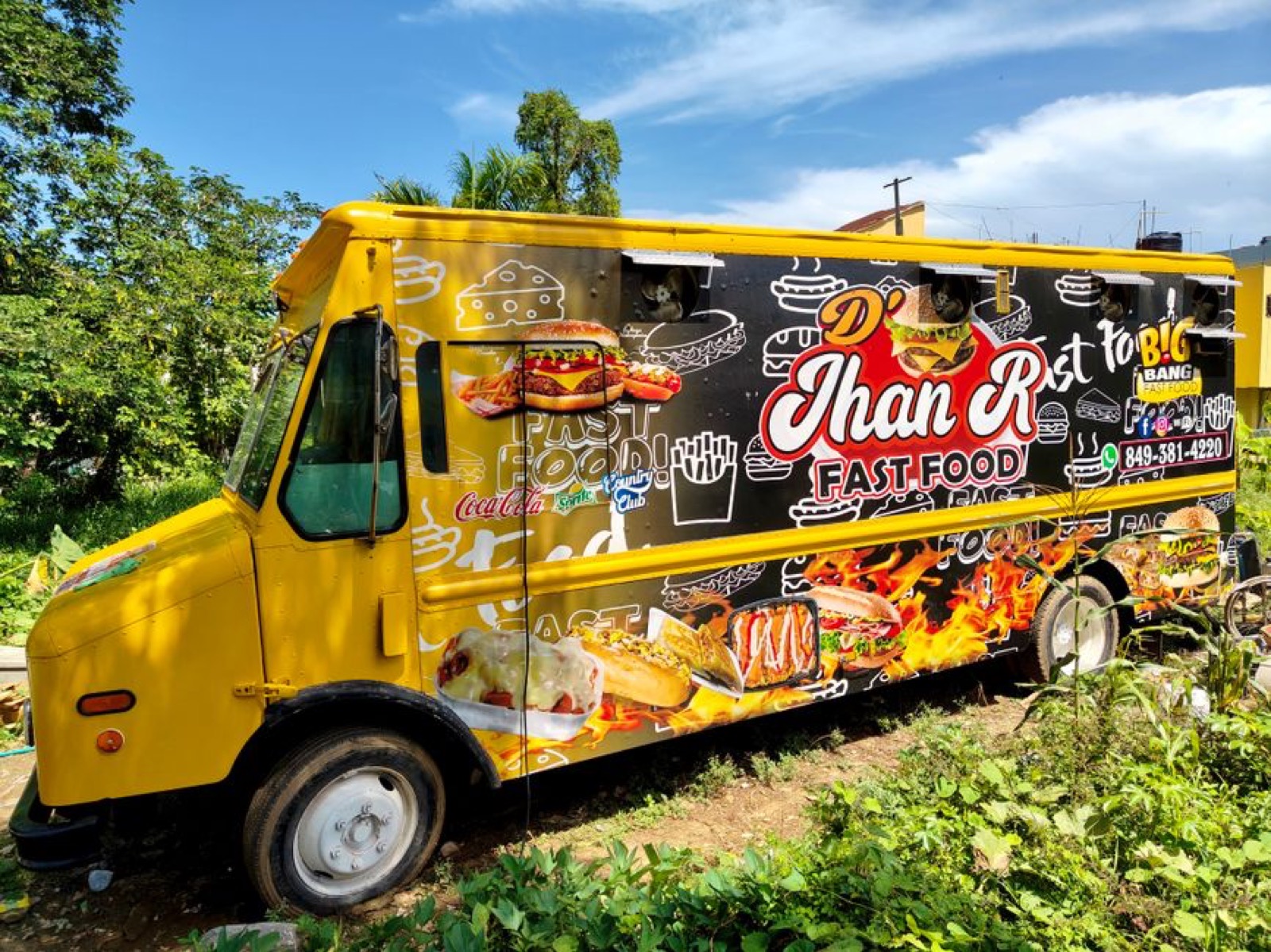
A food truck runs on margins thin enough that a dead generator ends your day. Your commercial refrigerator, griddle, fryer, exhaust fan, point-of-sale system, and lighting all draw power simultaneously during a lunch rush. Size wrong and you're tripping breakers mid-service. Size right and you have reliable power through a 10-hour event day without refueling twice.
The sweet spot for most food trucks falls between 9,500 and 15,000 running watts. That range covers a commercial refrigerator (1,200W startup surge, 400W running), a flat-top griddle (4,000-5,000W), a commercial fryer (2,000-3,000W), exhaust ventilation (750W), lighting (300W), and POS terminals (200W). Below 9,500 watts and you're choosing between appliances. Above 15,000 watts and you're paying for capacity you don't use.
Five generators earn a slot in this guide. They cover the realistic wattage range food truck operators need, all verified live on Amazon as of July 2026.
Affiliate Disclosure: GeneratorIntel participates in the Amazon Services LLC Associates Program. We earn commissions from qualifying purchases through our Amazon links at no extra cost to you. We recommend products based on specifications, performance, and value, not commission rates.
Quick Picks: Best Food Truck Generators 2026
| Model | Running Watts | Peak Watts | Fuel Type | Runtime @ 50% | Best Use Case | Price |
|---|---|---|---|---|---|---|
| Westinghouse WGen9500DF | 9,500W | 12,500W | Gas / Propane | 10 hours | Best Overall Value | ~$1,023 |
| DuroMax XP15000EH | 12,500W | 15,000W | Gas / Propane | 9 hours | Best for Heavy Menus | ~$2,150 |
| Generac GP7500E DF | 7,500W | 9,375W | Gas / Propane | 8 hours | Best for Simple Menus | ~$1,699 |
| Westinghouse WGen7500DF | 7,500W | 9,500W | Gas / Propane | 11 hours | Best Long Runtime | ~$975 |
| Champion 201223 Tri-Fuel | 9,375W | 11,250W | Gas / Propane / NG | 10.5 hours | Best Fuel Flexibility | ~$899 |
Power Load Calculation
Before you buy, calculate your actual load. Every commercial kitchen appliance has two wattage numbers: starting watts (the surge needed to power the motor on) and running watts (continuous draw during operation). Your generator must handle the running watts of everything running simultaneously, plus the highest single starting surge.
Typical food truck power load by appliance:
- Commercial refrigerator/freezer: 1,200W start, 400W running
- Commercial flat-top griddle (36"): 5,000-7,000W running (electric models)
- Commercial deep fryer (electric, dual basket): 5,400-6,000W running
- Commercial fryer (countertop, single basket): 1,800-2,200W running
- Commercial exhaust fan/ventilation: 500-1,200W running
- Warming display case: 500-750W running
- Commercial coffee maker: 1,200-1,800W running
- LED lighting (full truck): 200-400W running
- POS terminals + router: 150-300W running
- Air conditioning (1-ton window unit): 1,500W start, 900W running
Most food trucks running a griddle, one fryer, refrigeration, exhaust, and POS need 8,000-11,000 running watts. Trucks with dual fryers or electric ovens push to 13,000-15,000 watts. Trucks with a simple menu (tacos, sandwiches, coffee) may operate on 5,000-7,500 watts.
The 20% buffer rule: Once you've totaled your running watts, add 20% for safety. A generator running at 90% of rated capacity runs hot, wears faster, and is one appliance startup away from tripping a breaker. Add your highest single-appliance starting surge on top of running watts to confirm the generator's peak wattage covers it.
Appliance Startup Draw
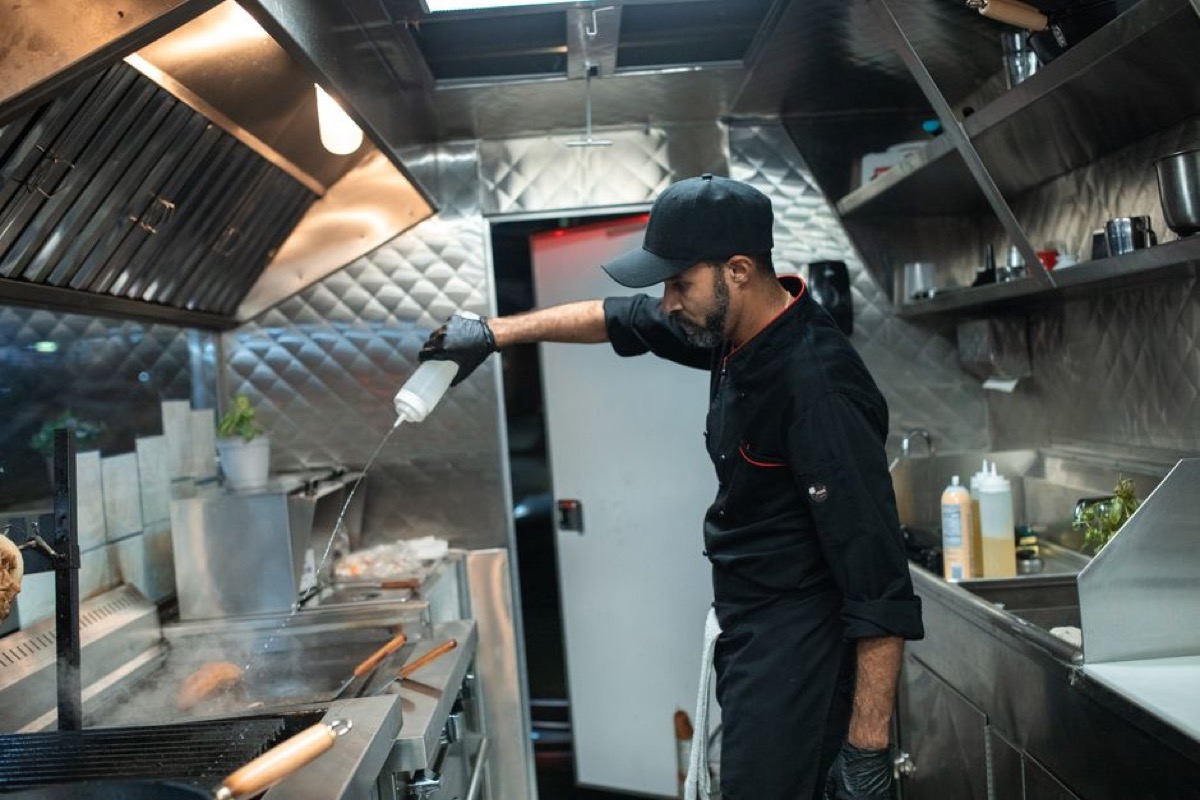
Starting surge is the most overlooked factor in food truck generator selection. Electric motors require 2-3x their running wattage for the first 1-2 seconds at startup. Compressors are the worst offenders.
Your commercial refrigerator compressor may draw 1,200 watts for 2 seconds every time it cycles on. If you have 8,500 watts of equipment running when the fridge cycles, your generator sees a momentary 9,700-watt spike. A 9,500-watt running generator handles this with its 12,500-watt peak capacity. A 7,500-watt generator with 9,375 peak watts gets pushed hard.
Key startup surge spikes to plan for:
- Commercial refrigerator: 3x running watts for 1-2 seconds
- Air conditioner compressor: 2-3x running watts for 2-3 seconds
- Coffee grinder: 2x running watts for 1 second
- Industrial blender: 2.5x running watts at start
Electric griddles and fryers with resistive heating elements have no meaningful startup surge. They draw their rated wattage from the moment they switch on, which is actually easier on generators than motor-driven appliances.
Runtime Needs
Food truck events run 4-10 hours. Farmers markets and lunch spots average 4-5 hours. Evening events, festivals, and weekend markets run 8-10+ hours. Your generator must cover your longest expected service window without refueling mid-rush.
Runtime depends on load percentage. Generator manufacturers rate runtime at 25% or 50% of rated capacity. A 9,500-watt generator at 50% load draws about 4,750 watts. If your truck actually runs 7,000 watts continuously, that's 74% of rated capacity - runtime drops 30-40% from the rated figure.
Running watts load estimate for a mid-range food truck during service:
- Griddle (36", electric): 5,000W
- Single fryer: 2,000W
- Refrigerator: 400W
- Exhaust fan: 750W
- Lighting + POS: 300W
- Total: 8,450W
A 9,500-watt generator runs at 89% capacity under this load. Runtime on the Westinghouse WGen9500DF drops to approximately 7-8 hours from the rated 10 hours at 50% load. Still sufficient for a full market day. Step up to the DuroMax 12,500-watt model and you run at 68% capacity with comfortable margin and full 9-hour runtime.
Noise Restrictions
Many outdoor markets and downtown event permits cap generator noise at 65-72 dBA. Open-frame commercial generators in the 9,500-15,000 watt class typically operate at 72-76 dBA at 23 feet. Some venues don't allow them at all and require connection to a venue power pedestal.
Before purchasing, check your primary event venue's noise policy. If you operate in multiple locations, focus on your strictest venue's requirements. Practical noise reduction options:
- Generator enclosures: Purpose-built sound enclosures reduce output by 10-15 dBA. Ventilation must be maintained to prevent overheating.
- Distance: Every doubling of distance reduces perceived noise by 6 dBA. Placing the generator 20 feet behind the truck versus 10 feet cuts perceived noise by 6 dBA.
- Orientation: Position the exhaust side away from the event crowd and vendor neighbors.
- Barriers: Concrete block, plywood, or commercial sound barriers placed between the generator and crowd reduce noise 3-6 dBA without restricting airflow.
None of the open-frame generators in this guide qualify as "quiet" generators. If your market requires sub-65 dBA, you need either a generator enclosure, a venue with shore power, or a large inverter generator rated specifically for quiet operation. Inverter generators above 5,000 watts capable of running food truck loads are rare and expensive.
Top 15kW Models
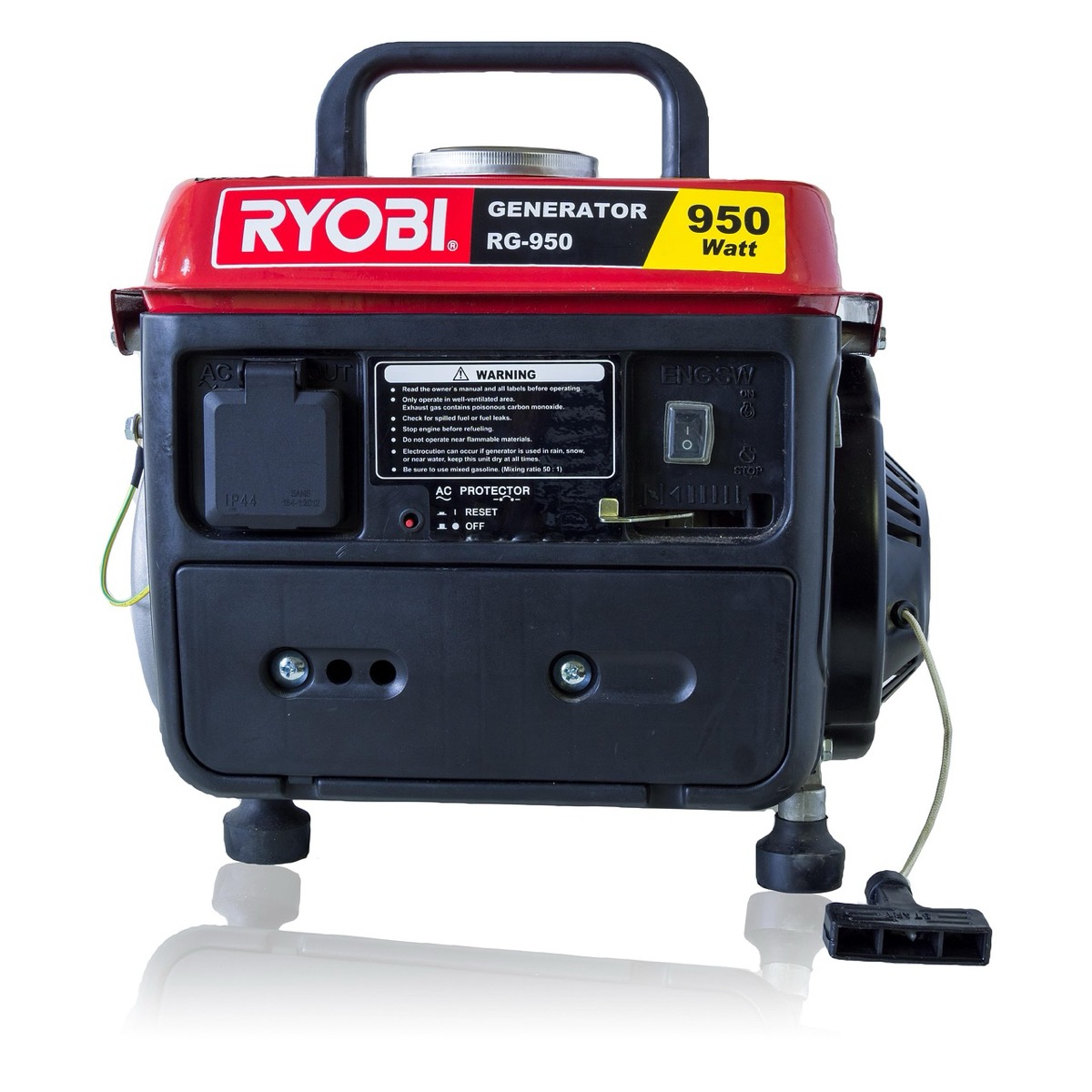
DuroMax XP15000EH: Best for Heavy-Menu Food Trucks
The DuroMax XP15000EH delivers 12,500 running watts and 15,000 peak watts on gasoline, dropping to 11,400 running / 14,250 peak on propane. Its 713cc V-twin engine handles simultaneous commercial griddle, dual fryer, refrigerator, and AC load without flinching.
Runtime at 50% load reaches 9 hours on the 8.3-gallon tank. For a food truck running 8,500 watts (68% of rated), expect 7-8 hours continuous operation. The 120/240V output with a 50-amp outlet connects directly to most food truck shore power receptacles, simplifying your electrical panel integration.
The electric start with remote key fob means you can fire it up from inside the truck without going around back every morning. CO sensor shuts down the generator automatically if carbon monoxide accumulates. Low-oil shutdown protects the V-twin engine during long service days when checking oil gets skipped.
Who it's for: Trucks running dual fryers, large electric griddles, or menu items requiring multiple high-draw appliances simultaneously. Also ideal for truck owners planning to add equipment over time - you won't outgrow this generator.
Limitation: 380 pounds. This generator does not move easily once positioned. Plan your setup logistics before delivery day.
Westinghouse WGen9500DF: Best Overall Value
The Westinghouse WGen9500DF covers the most common food truck power range at the lowest price point. At 9,500 running watts and 12,500 peak watts on gasoline (8,500 running / 11,200 peak on propane), it handles a griddle, single fryer, refrigeration, exhaust, and POS simultaneously with headroom.
The 457cc 4-stroke OHV engine with cast iron sleeve runs 12 hours at 25% load on the 6.6-gallon tank. Under typical food truck load (60-75% of rated), runtime is 8-10 hours. Remote start with included key fob, electric start backup, and transfer-switch-ready outlet panel round out the feature list.
GFCI outlets protect sensitive electronics including POS terminals and tablets. The dual-fuel capability lets you run propane at venues that prohibit gasoline storage, then switch to gas for events with easy fuel access. More than 10,900 Amazon reviews with a 4.7-star rating reflect its reliability track record.
Who it's for: Most food truck operators. This generator covers a griddle, one or two countertop fryers, refrigeration, ventilation, and all electronics without oversizing. The price makes it the practical starting point before deciding if you need more capacity.
Top 20kW Models
Champion 201223 Tri-Fuel: Best Fuel Flexibility
The Champion 201223 runs on gasoline, propane, or natural gas - the only tri-fuel option in this guide. Natural gas connectivity matters for food truck operators with permanent or semi-permanent locations where a natural gas line is accessible. Eliminating fuel delivery and storage entirely changes your operating cost math.
Rated at 9,375 running watts / 11,250 peak on gasoline, and 8,250 / 9,000 on propane. Natural gas running watts drop to 7,875. The 459cc engine delivers runtime of 10.5 hours at 50% load on the 6.1-gallon gas tank. Electric start with remote start capability keeps startup convenient during busy event setup.
The CO Shield sensor shuts down automatically at dangerous carbon monoxide levels. Intelligauge display shows voltage, hertz, and runtime remaining - useful during service when you need to plan a refueling stop. Transfer-switch-ready outlet for connection to your truck's load center.
Who it's for: Operators with multi-location setups including a home base with natural gas access, or trucks serving venues with propane restrictions. The fuel flexibility justifies the slight premium over a single-fuel model if your operations span multiple fuel environments.
Final Pick
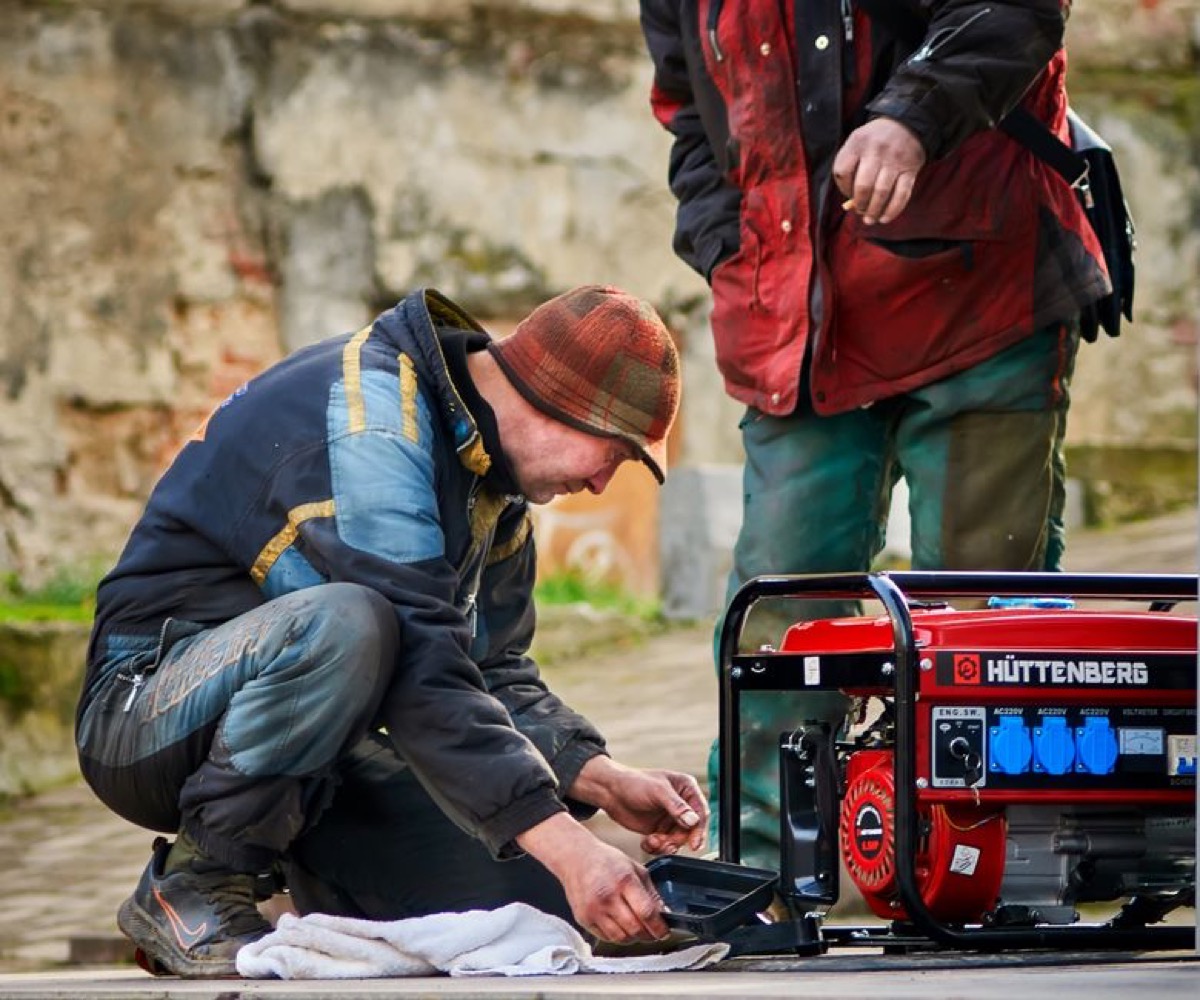
Westinghouse WGen7500DF: Best for Simple Menus
The Westinghouse WGen7500DF covers food trucks with leaner menus: tacos, sandwiches, crepes, coffee carts, or dessert trucks where total load stays under 6,500 running watts. At 7,500 running / 9,500 peak on gasoline, it handles a commercial refrigerator, countertop equipment, exhaust fan, and electronics comfortably.
Runtime hits 11 hours at 50% load on the 6.6-gallon tank - the longest in this guide at a competitive price point around $975. For a morning coffee and pastry operation or an afternoon taco truck, that runtime covers a full day without refueling.
The dual-fuel configuration with remote start matches the WGen9500DF feature set at lower output and cost. If your menu later expands and load grows, the WGen9500DF is the direct step-up upgrade path within the same product family.
Who it's for: New food truck operators starting with a limited menu, or established trucks with verified low-load operations. Don't use this if you run a commercial griddle above 3,500 watts alongside other equipment - you'll be at capacity during the lunch rush with no margin for appliance startup surges.
Generac GP7500E DF: Best for Established High-Load Trucks
The Generac GP7500E DF delivers 7,500 running watts / 9,375 peak on a proven Generac OHV engine with 10-hour runtime at 50% load. Generac's commercial warranty support network and parts availability make this attractive for operators who need fast turnaround on generator service during event season.
The dual-fuel capability mirrors the Westinghouse models. Remote electric start, low-oil shutdown, and GFCI outlet protection are standard. At $1,699, it prices higher than the Westinghouse WGen7500DF for similar running watts, but Generac's dealer network and service infrastructure justifies the premium for operators who need on-site service support rather than shipping a generator for warranty work.
Who it's for: Operators who prioritize service accessibility over upfront cost. If you have a Generac dealer nearby and need priority service during your event season, the support infrastructure justifies the price difference.
Feature Comparison
| Model | Running W | Peak W | Fuel | Tank (gal) | Weight (lbs) | Start | Warranty |
|---|---|---|---|---|---|---|---|
| Westinghouse WGen9500DF | 9,500 | 12,500 | Gas / LP | 6.6 | 220 | Remote + Electric | 3-Year |
| DuroMax XP15000EH | 12,500 | 15,000 | Gas / LP | 8.3 | 380 | Electric | 3-Year |
| Generac GP7500E DF | 7,500 | 9,375 | Gas / LP | 7.2 | 202 | Remote + Electric | 2-Year |
| Westinghouse WGen7500DF | 7,500 | 9,500 | Gas / LP | 6.6 | 192 | Remote + Electric | 3-Year |
| Champion 201223 Tri-Fuel | 9,375 | 11,250 | Gas / LP / NG | 6.1 | 220 | Remote + Electric | 3-Year |
Value Analysis
Price per running watt gives the clearest comparison across wattage classes:
- Westinghouse WGen7500DF: $975 / 7,500W = $0.13 per running watt
- Champion 201223: $899 / 9,375W = $0.096 per running watt
- Westinghouse WGen9500DF: $1,023 / 9,500W = $0.108 per running watt
- DuroMax XP15000EH: $2,150 / 12,500W = $0.172 per running watt
- Generac GP7500E DF: $1,699 / 7,500W = $0.227 per running watt
The Champion 201223 wins on price per watt while adding natural gas capability. The Westinghouse WGen9500DF sits in the value sweet spot for trucks needing 9,500 running watts. The Generac commands a premium justified by service network, not raw wattage value.
Factor in fuel cost over an event season. A food truck operating 40 Saturdays per year burning 2 gallons of gas per hour at $3.50/gallon over an 8-hour day: $2,240 in annual fuel cost. A propane-connected truck at equivalent draw costs 15-20% less per BTU in most markets. The dual-fuel premium on all five generators pays for itself within one season if you switch to propane for regular events.
Final Recommendation
For most food truck operators, the Westinghouse WGen9500DF is the right generator. Nine thousand five hundred running watts covers a full commercial kitchen load - griddle, fryer, refrigeration, exhaust, electronics - with margin for startup surges. The remote start, 12-hour runtime on propane, and 4.7-star reliability record from 10,900+ real-world users make it the low-risk choice.
If your menu requires dual fryers, a commercial oven, or large electric griddle above 5,000 watts, step up to the DuroMax XP15000EH. The 12,500 running watts give you headroom for any realistic food truck load and room to grow.
Operators with access to natural gas at their primary location should price the Champion 201223 - the tri-fuel capability pays for itself quickly when natural gas is available, and you retain gas and propane flexibility for off-site events.
New operators with a simple menu starting with tacos, sandwiches, or desserts can start with the Westinghouse WGen7500DF at $975 and upgrade when the menu and revenue justify it. The 11-hour runtime covers the longest event days without refueling.
Frequently Asked Questions
What size generator does a food truck need?
Most food trucks need 7,500-12,500 running watts. A truck with a large electric griddle, fryer, commercial refrigerator, exhaust fan, and electronics typically draws 7,000-10,000 watts simultaneously. Add a 20% buffer and you need a 9,000-12,000 watt generator. Simple-menu trucks with countertop equipment and no electric griddle can operate on 5,000-7,500 watts. Trucks with dual fryers or electric ovens may require 13,000-15,000 watts.
Can I use a generator with a propane food truck?
Yes. Most commercial food trucks use propane or natural gas for cooking appliances (griddle, fryer, burners) and a separate generator for electrical loads (refrigeration, exhaust fans, lighting, POS). The generator handles electricity only. If your cooking equipment is entirely electric, your generator wattage requirement increases substantially - an electric griddle adds 5,000-7,000 watts alone. Dual-fuel generators that run on propane for electricity while your propane tanks fuel cooking equipment are a common setup.
How loud is a food truck generator?
Open-frame generators in the 7,500-15,000 watt class operate at 72-76 dBA at 23 feet. That's comparable to a vacuum cleaner at close range. Many outdoor markets and event venues set noise limits at 65-72 dBA. If your generator exceeds venue limits, options include a purpose-built generator enclosure (reduces 10-15 dBA), increasing the generator-to-crowd distance, or orienting the exhaust away from the event area. Check your primary venue's permit conditions before purchasing.
How much does a food truck generator cost to run per day?
A 9,500-watt generator at 70% load burns approximately 0.8-1.2 gallons of gas per hour. At $3.50/gallon for an 8-hour day, that's $22-34 in fuel daily. Propane costs approximately 15-20% less per equivalent BTU in most markets, reducing daily fuel cost to $18-27. Annual fuel cost for 40 event days: $880-$1,360 on propane. Factor this into your pricing and menu margin calculations when sizing up between generator models.
Do food trucks need a permit to run a generator?
Requirements vary by city and event venue. Many municipalities require portable generator operators to comply with EPA emissions standards (all five generators in this guide are EPA-compliant). Some cities ban generator use entirely within certain zones, requiring connection to venue shore power. Check your city's mobile food vendor permit conditions and any event-specific vendor rules before your first event. Some markets provide 30A or 50A shore power connections that eliminate the generator entirely - worth asking venue coordinators before investing in a generator.
What's the difference between running watts and starting watts for food trucks?
Running watts is the continuous power draw during normal operation. Starting watts (peak watts) is the brief surge required to start electric motors. Your refrigerator compressor and air conditioner are the biggest surge offenders, drawing 2-3x their running watts for 1-2 seconds at startup. Your generator's peak watt rating must cover your total running load plus the highest single startup surge simultaneously. A 9,500-watt running / 12,500-watt peak generator handles 9,500W continuous with a 3,000-watt surge headroom for motor startups.
The 2026 Verdict
Generator sizing for food trucks comes down to your menu's electrical load and your longest event day. Calculate your actual running watts before buying - the 20-minute wattage math prevents a $1,000-$2,000 purchase mistake in either direction.
The Westinghouse WGen9500DF at $1,023 covers most food trucks reliably. The DuroMax XP15000EH handles every heavy-menu scenario without capacity compromise. The Champion 201223 tri-fuel adds natural gas flexibility that eliminates fuel logistics at permanent locations. All five generators verified live on Amazon July 2026 with current pricing.
Related Articles
- Whole House Generator Cost and Installation: Real 2026 Pricing
- Champion 7500W Dual-Fuel Generator Review: Budget Hero?
- Best Portable Generator for CPAP Machine: Silent and Reliable
Affiliate Disclosure: GeneratorIntel participates in the Amazon Services LLC Associates Program, an affiliate advertising program designed to provide a means for sites to earn commissions by linking to Amazon.com. We earn commissions from qualifying purchases made through our Amazon links at no additional cost to you. These commissions support our research, testing, and content creation. We recommend products based on specifications, performance, and value, not commission rates.