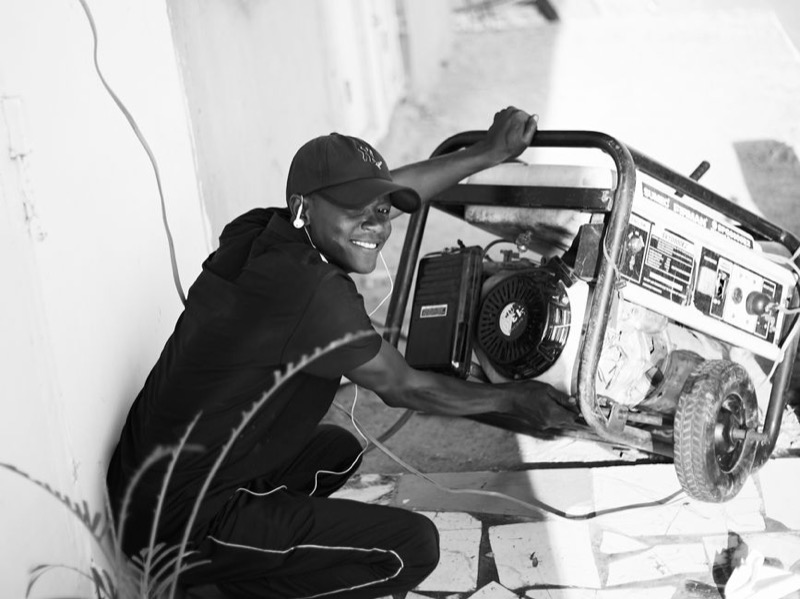
Quick Picks: Top Generators by Category
Best Portable (High Output)
DuroMax XP12000EH
12,000W, dual fuel, electric start, $899
View on AmazonThe difference between a portable generator and a standby generator is not just watts and price. It is how you interact with the machine during an outage, how much of your life gets interrupted, and whether you are home when the power goes out. Most generator comparison articles treat this decision as a simple feature checklist: portables are cheaper, standbys are automatic, pick one. That misses the point. The right generator depends on your outage patterns, your household's power needs, and whether you are willing to trade convenience for a five-figure cost difference. This guide walks through the real distinctions between portable and standby generators, the hidden costs that change the value equation, and the specific scenarios where each type makes sense.
Portable vs Standby: The Essential Differences
Before diving into detailed comparisons, here is the core distinction:
Portable Generator
A self-contained unit on wheels. You manually start it, manually connect it to your home via extension cords or a manual transfer switch, and manually refuel it. Runs on gasoline or propane. Typical output: 3,000W to 12,000W. Cost: $500 to $3,000 for the generator, plus $500 to $1,500 for a transfer switch if you want one.
Standby Generator
A permanently installed unit outside your home, wired directly into your electrical system. Automatically detects outages, starts itself within 10 seconds, and powers your home through an automatic transfer switch. Runs on natural gas or propane. Typical output: 14,000W to 26,000W. Cost: $8,000 to $15,000 installed.
Cost Comparison: Upfront and Long-Term
Portable Generator Total Cost
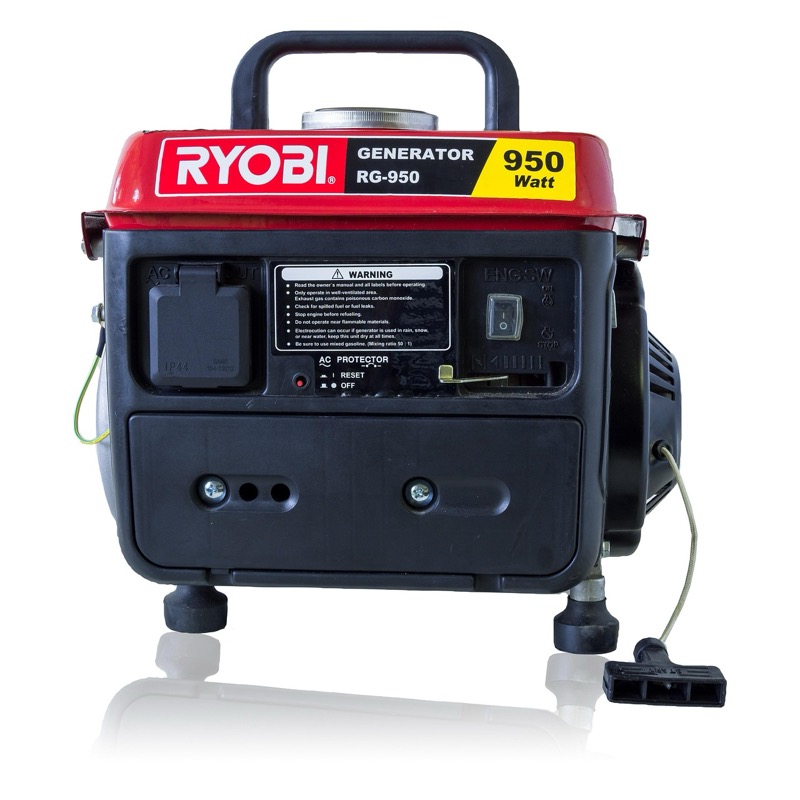
A quality portable generator in the 7,000W to 12,000W range costs $800 to $2,500. Add $500 to $1,500 for a manual transfer switch and electrician labor if you want to power hardwired circuits like your HVAC system. Total upfront cost: $1,500 to $4,000 for a complete setup. If you skip the transfer switch and use extension cords, your total cost is just the generator itself.
Annual operating costs for a portable include stabilized fuel storage (gasoline degrades in 3 to 6 months without stabilizer), oil changes every 100 hours or annually, spark plug replacement every 100 to 200 hours, and occasional carburetor cleaning if the unit sits unused for long periods. Assume $50 to $150 per year in maintenance if you do it yourself.
Standby Generator Total Installed Cost
A standby generator installed cost breaks down as follows:
- Generator unit: $3,000 to $7,000 depending on output (14kW to 24kW range)
- Automatic transfer switch: $800 to $2,500 (often bundled with generator)
- Electrical work: $1,000 to $3,000 for transfer switch installation and panel connection
- Gas line connection: $500 to $2,000 (more if long runs required)
- Concrete pad or platform: $300 to $800
- Permits and inspection: $200 to $600
- Startup commissioning: Included or $150 to $300
Total installed cost typically ranges from $8,000 to $15,000 for a straightforward installation. Complex sites with electrical panel upgrades, long gas line runs, or difficult access can push total cost to $18,000 to $25,000.
Annual operating costs include mandatory annual maintenance by a certified technician ($150 to $350), which covers oil and filter changes, spark plug inspection, battery testing, and control system checks. If you run on natural gas, fuel cost during outages is minimal. If you run on propane, a 500-gallon tank will power a 20kW generator for roughly 40 to 60 hours at 50% load, depending on efficiency.
Cost Per Year of Ownership
Over a 20-year lifespan, here is the cost comparison:
| Cost Factor | Portable Generator | Standby Generator |
|---|---|---|
| Initial purchase and install | $1,500 to $4,000 | $8,000 to $15,000 |
| Annual maintenance (20 years) | $1,000 to $3,000 | $3,000 to $7,000 |
| Fuel storage and stabilizer | $200 to $600 | $0 (natural gas) or minimal (propane) |
| Total 20-year cost | $2,700 to $7,600 | $11,000 to $22,000 |
| Cost per year | $135 to $380 | $550 to $1,100 |
Note: Does not include fuel consumed during actual outages, which varies widely by usage. Assumes professional annual service for standby and DIY maintenance for portable.
Power Output and Load Coverage
What a Portable Generator Can Power
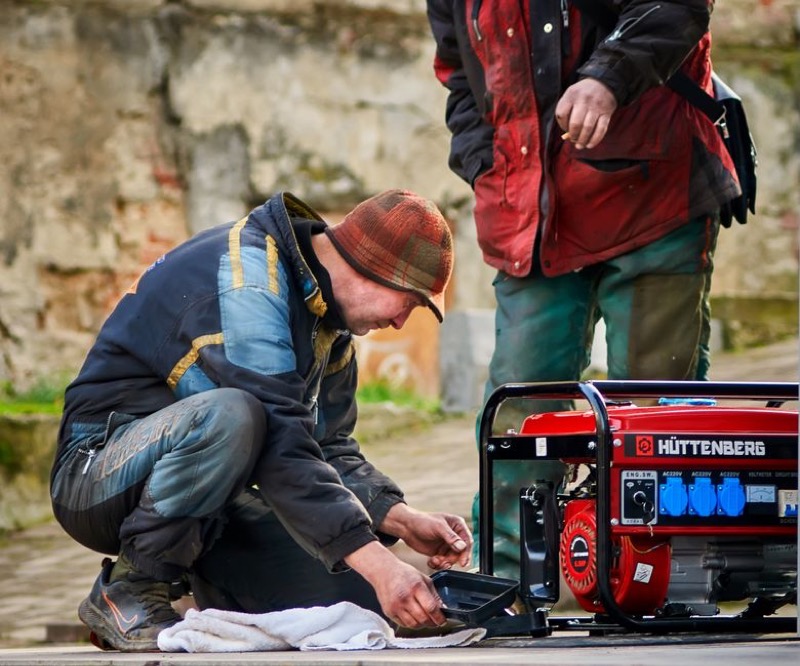
A 7,000W to 9,000W portable generator can power essential loads in most homes: refrigerator, freezer, several lights, a TV, internet router, and a few outlets for phone chargers and small appliances. It cannot typically start or run a central air conditioner without a soft-start device.
A 10,000W to 12,000W portable generator can handle a 3-ton central air conditioner (with proper starting capability), a well pump, refrigerator, lights, and several other circuits simultaneously. This is the threshold where a portable becomes a legitimate whole-house backup for a small to mid-sized home, assuming you use a transfer switch to manage which circuits are powered.
Example real-world load for a 12,000W portable:
- 3-ton central AC: 3,500W running, 8,000W starting (covered by surge capacity)
- Refrigerator: 700W running, 2,000W starting
- Well pump (3/4 HP): 1,400W running, 3,000W starting
- Lights and outlets: 500W to 1,000W
- TV, router, electronics: 200W to 400W
Total running load: approximately 6,300W. Well within a 12,000W generator's continuous capacity. Starting the AC, refrigerator, or well pump requires managing the sequence so they do not all start simultaneously.
What a Standby Generator Can Power
A 14kW standby generator powers essential circuits: one HVAC zone, refrigerator, lights, outlets, and most appliances except electric water heaters or a second AC unit. It is sized for critical load coverage, not whole-house simultaneous operation.
A 20kW to 22kW standby generator powers a true whole house: two HVAC zones, all appliances including electric range and dryer (gas dryer only draws a few hundred watts), well pump, garage door openers, and all lighting and outlets. Load management is minimal. You can run nearly everything simultaneously.
A 24kW to 26kW standby generator is overkill for most homes unless you have an electric vehicle charger, a large workshop with heavy equipment, multiple HVAC zones, or electric water heating. These units handle sustained heavy loads without breaking a sweat.
Motor Starting Capacity: The Hidden Spec
The ability to start large motors, particularly air conditioners and well pumps, is where standby generators show their advantage. Most standby generators include enhanced motor starting circuits that deliver 1.5x to 2x rated power for 3 to 5 seconds to handle inrush current. Portable generators rely on raw surge capacity, which varies widely by model. A portable rated for 12,000W running and 15,000W surge may or may not start a 3-ton AC reliably. A 20kW standby with PowerBoost or similar technology will start a 5-ton AC without hesitation.
Installation: DIY vs Professional
Portable Generator Setup
Portable generator setup is user-performed. You wheel the generator out of storage, place it at least 20 feet from the house (carbon monoxide risk), connect extension cords or plug into a manual transfer switch inlet, add fuel, check the oil, and pull the starter cord or press the electric start button. Total time: 5 to 15 minutes depending on whether you use extension cords or a transfer switch.
If you install a manual transfer switch, you need a licensed electrician. The switch mounts next to your main panel, and the electrician wires selected circuits into the transfer switch so you can choose which loads to power. The generator connects to the transfer switch via a heavy-duty inlet box mounted on the exterior of your home. This is a one-time installation cost of $500 to $1,500 depending on the number of circuits and local labor rates.
Standby Generator Installation
Standby generator installation is a professional job. The generator must be mounted on a level concrete pad or composite platform, connected to your natural gas line or propane tank, wired to the automatic transfer switch, and commissioned by a certified technician. The automatic transfer switch is installed inside your home next to your main electrical panel. Installation takes one to three days depending on site complexity.
Permits are required in most jurisdictions for standby generator installation. Electrical permits cover the transfer switch and panel connection. Gas permits cover the fuel line connection. Some areas also require a mechanical permit for the generator itself. Your installer typically handles permit applications, but permit costs are passed through to you.
Installation Comparison
No installation required for extension cord use. Optional manual transfer switch install: $500 to $1,500. Total setup time per use: 5 to 15 minutes. DIY-friendly.
Professional installation required: $3,000 to $8,000 labor and materials. Permits, inspections, gas line, electrical work, pad. One-time setup. Zero user intervention after install.
Automatic vs Manual Operation
Standby: Zero User Intervention
The defining feature of a standby generator is automatic operation. The generator monitors your utility power continuously. When it detects an outage (voltage drop below a configurable threshold for a set period, typically 3 to 10 seconds), it starts the engine, warms up for 10 to 30 seconds, and signals the automatic transfer switch to switch your home from utility power to generator power. Total time from outage to restored power: 10 to 45 seconds depending on the model and configuration.
When utility power returns, the transfer switch waits for stable voltage (user-configurable delay, typically 30 seconds to 5 minutes), transfers your home back to utility power, and signals the generator to cool down and shut off. You do not touch anything. If you are out of town when the outage occurs, your home powers on automatically, your refrigerator stays cold, your sump pump keeps running, and your security system stays online.
Portable: Fully Manual
A portable generator requires you to be home and awake to respond to an outage. You must physically move the generator into position, connect it, start it, and manage loads manually. If the outage happens at 3 a.m., you are getting dressed and going outside. If you are on vacation, the generator does not run.
For some homeowners, this is not a disadvantage. If you are retired, work from home, or are almost always present during outages, the manual operation requirement is a non-issue. If you travel frequently, have young children, or have medical equipment that cannot tolerate even brief interruptions, the manual operation is a dealbreaker.
The Middle Ground: Remote Start Portables
Some high-end portable generators, such as certain Champion and DuroMax models, include electric start with remote start capability via a keyfob. This eliminates the need to pull a starter cord but does not eliminate the need to physically set up and connect the generator. Remote start is a convenience feature, not a substitute for automatic operation.
Fuel Type and Runtime
Portable Generators: Gasoline and Propane
Most portable generators run on gasoline. Gasoline is energy-dense, widely available, and allows the highest power output. The disadvantages: gasoline degrades in storage (3 to 6 months without stabilizer), is difficult to store in large quantities safely, and requires frequent refueling during extended outages.
Dual-fuel portable generators run on gasoline or propane, giving you flexibility. Propane does not degrade in storage, can be stored in large portable tanks indefinitely, and produces cleaner exhaust. The tradeoff: propane reduces output by approximately 10% compared to gasoline due to lower energy density. A generator rated for 12,000W on gasoline produces roughly 10,800W on propane.
Runtime on a portable generator depends on fuel tank size and load. A typical 8-gallon gasoline tank at 50% load delivers 10 to 20 hours of runtime depending on engine efficiency. Running at full load cuts that in half. Refueling is manual and requires the generator to be turned off briefly.
Standby Generators: Natural Gas and Propane
Standby generators run on natural gas or liquid propane. Natural gas is the simplest fuel choice: the generator connects to your existing utility gas line, and fuel is continuous during an outage. There is no refueling, no storage, and no fuel degradation concerns. Most residential natural gas services can supply enough BTU capacity to run a 20kW to 24kW generator indefinitely.
Propane is the alternative for homes without natural gas service. A 500-gallon propane tank, which is the most common residential size, can power a 20kW standby generator for approximately 40 to 60 hours at 50% load. For longer outages, you can install a larger tank (1,000 gallons is common in rural areas) or arrange for propane delivery during an extended event.
One fuel advantage of standby generators: both natural gas and propane allow the generator to run continuously without user refueling. A portable generator running on gasoline requires refueling every 8 to 20 hours, which means waking up in the middle of the night during a multi-day outage. A standby generator on natural gas runs until the utility power returns or the next scheduled maintenance interval, whichever comes first.
Use Cases: When Each Generator Type Makes Sense
Buy a Portable Generator If:
- You experience infrequent, short-duration outages (a few times per year, lasting a few hours).
- You are almost always home when outages occur and can respond within 15 minutes.
- Your budget is limited and you need backup power now rather than saving for a standby system.
- You want a generator that can serve double duty for camping, tailgating, or job site use.
- You rent your home or plan to move within the next few years (portables move with you).
- You are comfortable with manual setup and do not require automatic operation.
- Your primary concern is keeping the refrigerator running and a few essential circuits powered, not whole-house coverage.
Buy a Standby Generator If:
- You experience frequent or long-duration outages (several times per year, lasting hours or days).
- You travel frequently and need backup power to function even when you are not home.
- You have medical equipment, home-based business operations, or other critical power needs that cannot tolerate interruptions.
- You want true whole-house power coverage with minimal load management.
- You are not physically able to set up and operate a portable generator during an outage.
- You own the home and plan to stay long-term (standby generators add resale value in outage-prone areas).
- Budget allows for a $10,000 to $15,000 investment in home infrastructure.
The Middle Ground: High-Output Portable with Transfer Switch
For many homeowners, the best value is a high-output portable generator (9,000W to 12,000W) paired with a manual transfer switch. This setup delivers 70 to 80 percent of a standby generator's functionality at 15 to 20 percent of the cost. You get whole-house circuit coverage, the ability to power central air conditioning, and the flexibility to move the generator to other uses when not needed for backup power. The tradeoff: you must be home and awake to start the system manually.
Recommended models for this approach include the DuroMax XP12000EH (12,000W running, dual fuel, electric start) and the Champion 9375W dual-fuel model. Both deliver enough output to run most homes, include electric start for ease of use, and retail for under $1,500.
Maintenance Requirements
Portable Generator Maintenance
Portable generator maintenance is DIY-friendly. Key tasks:
- Oil change every 100 hours or annually, whichever comes first (10W-30 or 5W-30 motor oil, approximately 1 to 1.5 quarts depending on engine size).
- Air filter inspection every 50 hours, replacement every 100 to 200 hours or when visibly dirty.
- Spark plug inspection and replacement every 100 to 200 hours.
- Fuel system: use fuel stabilizer if the generator will sit unused for more than 30 days. Drain the carburetor or run the unit dry before long-term storage.
- Periodic load testing: run the generator under load (50% or more) for 30 minutes every few months to keep the engine and electrical components in good condition.
Maintenance cost: $20 to $50 per year in consumables if you do it yourself. If you pay a small engine shop, expect $80 to $150 per annual service.
Standby Generator Maintenance
Standby generators require professional annual maintenance by a certified technician. The manufacturer's warranty often requires proof of annual service to remain valid. Annual service includes:
- Oil and filter change (synthetic oil, typically 2 quarts).
- Spark plug inspection and replacement as needed.
- Air filter replacement.
- Battery load test and terminal cleaning; battery replacement every 3 to 5 years.
- Fuel system inspection: gas line connections, pressure regulator, carburetor or fuel injectors.
- Control system diagnostics: verify automatic start function, transfer switch operation, and error code history.
- Visual inspection of enclosure, wiring, and exhaust system for leaks or damage.
Annual service cost: $150 to $350 depending on your dealer and region. This is a recurring expense as long as you own the generator.
Standby generators also self-exercise weekly (user-configurable, typically 12 to 30 minutes per week). This keeps the engine lubricated, charges the battery, and verifies system operation. You do not need to do anything; the generator handles it automatically.
Noise Levels
Portable Generator Noise
Portable generators are loud. Most open-frame models in the 7,000W to 12,000W range produce 70 to 80 dBA at 23 feet, which is comparable to a vacuum cleaner or lawnmower. Inverter generators are quieter (50 to 60 dBA) but typically max out at 3,000W to 4,000W, making them unsuitable for whole-house backup.
Noise is a consideration for neighbors and for your own comfort during extended outages. Placing the generator as far from windows and outdoor living spaces as safely possible helps. Some users build simple plywood enclosures with ventilation to reduce noise, but this must be done carefully to avoid overheating and carbon monoxide buildup.
Standby Generator Noise
Standby generators are quieter than most portables, producing 60 to 67 dBA at 23 feet depending on the model. The enclosed design and permanent installation allow for better sound insulation. Many standby generators also include a "Quiet-Test" mode that runs the weekly exercise cycle at lower RPM to reduce noise during non-emergency operation.
If your property is small or your generator must be installed close to a bedroom window or outdoor patio, the noise difference between a portable and standby becomes meaningful. Standby generators are not silent, but they are noticeably quieter than open-frame portables at equivalent power output.
Resale Value and Home Value Impact
Standby Generators Add Home Value
A professionally installed standby generator adds measurable resale value to homes in regions with frequent power outages. Real estate agents in hurricane-prone, wildfire-prone, and winter-storm-heavy markets report that homes with standby generators sell faster and command higher prices than comparable homes without backup power. The exact value added varies by market, but a $12,000 standby generator installation can add $6,000 to $10,000 in perceived home value in the right market.
In regions with stable grid power and infrequent outages, the resale value impact is smaller. Buyers in those markets view a standby generator as a nice-to-have feature rather than a critical selling point.
Portable Generators Have No Impact on Home Value
Portable generators do not add resale value to a home because they are not permanently installed. A manual transfer switch may add modest value ($200 to $500) as a pre-installed convenience for the next owner, but the generator itself is a personal property item that moves with you when you sell.
Side-by-Side Comparison Table
| Factor | Portable Generator | Standby Generator |
|---|---|---|
| Upfront cost (installed) | $1,500 to $4,000 | $8,000 to $15,000 |
| Power output range | 3,000W to 12,000W | 14,000W to 26,000W |
| Operation | Manual start, manual connection, manual refueling | Fully automatic, zero user intervention |
| Installation | None required (extension cords) or $500-$1,500 for transfer switch | Professional install required, $3,000-$8,000 labor + materials |
| Fuel type | Gasoline or propane (dual-fuel models) | Natural gas or propane |
| Runtime per tank | 8 to 20 hours on gasoline, unlimited on propane with refill | Unlimited on natural gas, 40-60 hours on 500-gal propane tank |
| Noise level | 70 to 80 dBA (open-frame), 50 to 60 dBA (inverter) | 60 to 67 dBA (enclosed) |
| Maintenance | DIY-friendly, $50-$150/year | Professional required, $150-$350/year |
| Portability | Fully portable, moves with you | Permanently installed, does not move |
| Resale value impact | None (portable is personal property) | $6,000 to $10,000 in outage-prone markets |
| Best for | Infrequent short outages, budget-conscious, DIY-friendly, multi-use | Frequent or long outages, medical needs, travel often, want convenience |
Our Recommendations
Best Portable Generator for Whole-House Backup
The DuroMax XP12000EH delivers 12,000W running power, dual-fuel operation (gasoline or propane), electric start, and enough surge capacity to start a 3-ton air conditioner. It is the best value in the high-output portable category and the model we recommend most often for homeowners who want whole-house coverage without a standby investment. See our full DuroMax XP12000EH review for detailed analysis.
Best Standby Generator for Most Homes
The Generac Guardian 22kW is the best-selling standby generator in North America for good reason. It delivers 22,000W on propane (19,500W on natural gas), includes WiFi monitoring, and has the widest dealer network of any standby generator brand. For most homeowners in suburban and metro markets, this is the right choice. See our best home generator guide for a detailed breakdown of standby options.
When to Choose Each
Outages are rare, you're always home, budget is tight, or you want multi-use flexibility (camping, job sites). Best value for infrequent backup needs.
Outages are frequent, you travel often, you have medical equipment or critical needs, or you want zero-intervention backup. Best for peace of mind and long-term convenience.
Frequently Asked Questions
What is the main difference between a portable and standby generator?
How much does it cost to install a standby generator?
Can a portable generator power a whole house?
How long can you run a portable generator continuously?
Is a standby generator worth the cost?
Do I need a transfer switch for a portable generator?
Which generator is better for backup power: portable or standby?
Get Your Free Generator Maintenance Checklist
Stop guessing about generator maintenance schedules. Our comprehensive, professionally-designed checklist covers pre-operation inspections, monthly tasks, annual procedures, and a complete winterization protocol.
Applicable to portable generators, standby home systems, and inverter models. Includes accurate maintenance intervals based on industry standards.
Download the Free Checklist →Why Trust GeneratorIntel?
GeneratorIntel researches every article from primary sources: manufacturer spec sheets, certified dealer listings, owner reviews across multiple independent platforms, contractor trade forums, and actual warranty documents. We do not accept paid placements or allow manufacturers to influence our conclusions. Affiliate links help us keep the lights on, but they never change what we recommend. If a product fails the research, we say so.
Bottom Line
Portable generators win on cost, flexibility, and value for homeowners who experience infrequent outages and are comfortable with manual setup. Standby generators win on convenience, automatic operation, and true whole-house power for homeowners who need uninterrupted backup regardless of whether they are home. The best choice depends on your outage patterns, your household's critical power needs, and whether you value convenience or cost savings more. For most homeowners who want backup power on a budget, a high-output portable like the DuroMax XP12000EH paired with a manual transfer switch delivers the best combination of capability and value. For homeowners who need automatic, zero-intervention backup, the Generac Guardian 22kW is the most practical standby choice. Read our best home generator guide for detailed recommendations across both categories.