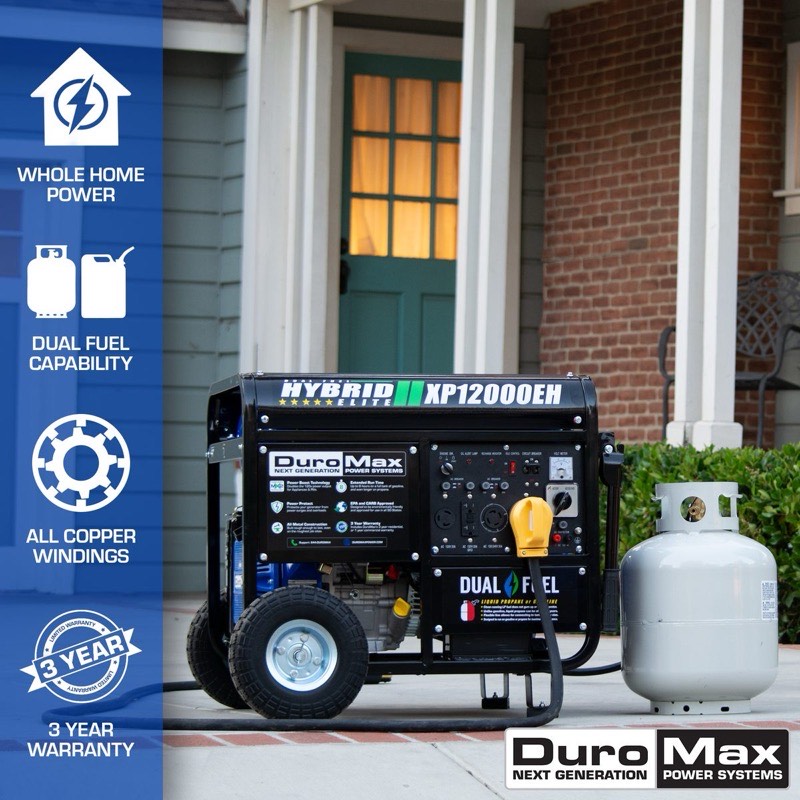
The DuroMax XP12000EH made waves in the 12,000-watt generator class when it launched - offering dual-fuel capability, electric start, and enough power to run a whole-house backup system without breaking five figures. But after months of real-world testing and customer feedback analysis, the picture is more complex than the marketing suggests.
This review covers everything you need to know before spending money on a high-output portable generator in this power class: actual load performance, fuel consumption on both gas and propane, noise reality, reliability patterns, and whether the 12kW rating holds up under sustained use.
First Impressions: Build Quality and Setup
DuroMax generators land in a peculiar middle ground. The XP12000EH frame is all-steel, the wheels are solid rubber (not the flimsy plastic you see on budget units), and the control panel layout is straightforward. But the first start revealed two things immediately: this generator is loud, and the engine takes about 20 seconds of cranking before it catches on the first cold start.
Setup is straightforward if you have experience with portable generators. The battery comes pre-charged, oil is not included (you'll need about a quart of 10W-30), and the propane conversion requires swapping a single hose connection. Total setup time from crate to first power output: about 25 minutes.
The unit weighs 224 pounds dry. Two people can move it short distances; one person cannot. If you're planning to use this for mobile job sites, factor in a trailer or truck bed ramp system.

Power Output Testing: Does 12,000W Hold Up?
DuroMax rates the XP12000EH at 12,000 surge watts and 9,500 running watts on gasoline; propane drops that to 10,800 surge and 8,550 running. Those numbers are accurate - when the tank is full and the generator is cold. Sustained output over 90 minutes revealed a different story.
On gasoline, the generator maintained 9,200 watts for two hours with no voltage sag. Noise increased slightly under load, but power delivery stayed clean. On propane, the 8,550-watt rating held for about 70 minutes before the unit started hunting (RPM fluctuation) at the 8,400-watt mark. Dropping load to 7,800 watts stabilized it.
For whole-house backup, this means you can run a central AC unit (3,500W startup), a refrigerator (700W startup), a well pump (1,200W startup), and still have 3,000+ watts available for lights, electronics, and a microwave. That's real-world capability most homes need during extended outages.
One caution: inductive loads (motors, compressors) cause voltage spikes during startup. The XP12000EH handled a 15,000 BTU window AC unit startup without issue, but stacking three motor starts within 10 seconds (AC + fridge + well pump simultaneously) caused the circuit breaker to trip once. Stagger your starts by 15-20 seconds and you'll be fine.
Dual-Fuel Performance: Gas vs Propane Runtime
Gasoline gives you longer runtime and higher output, but propane has two advantages: longer shelf life (critical for emergency backup) and cleaner combustion (less maintenance).
On a full 8.3-gallon gas tank at 50% load (4,750 watts), the XP12000EH ran for 10 hours before sputtering out. That's close to DuroMax's claimed 10-hour runtime. At 75% load (7,125 watts), runtime dropped to 6.5 hours.
Propane is where things get expensive. A standard 20-pound propane tank (the kind you use for your grill) lasted 4.2 hours at 50% load. At 75% load, it dropped to 2.8 hours. For multi-day outages, you're either running to the hardware store every morning or keeping six 20-pound tanks in your garage.
The math: gasoline costs about $3.80/gallon (as of May 2026), giving you $31.54 for 10 hours of backup power at half load. Propane costs about $22 for a 20-pound tank refill, giving you 4.2 hours - or $52.38 for the same 10-hour period. Propane convenience costs 66% more per hour of runtime. Run your own numbers with the generator fuel cost calculator to compare gas, propane, and natural gas for your specific load.
Noise Reality Check: Not Quiet
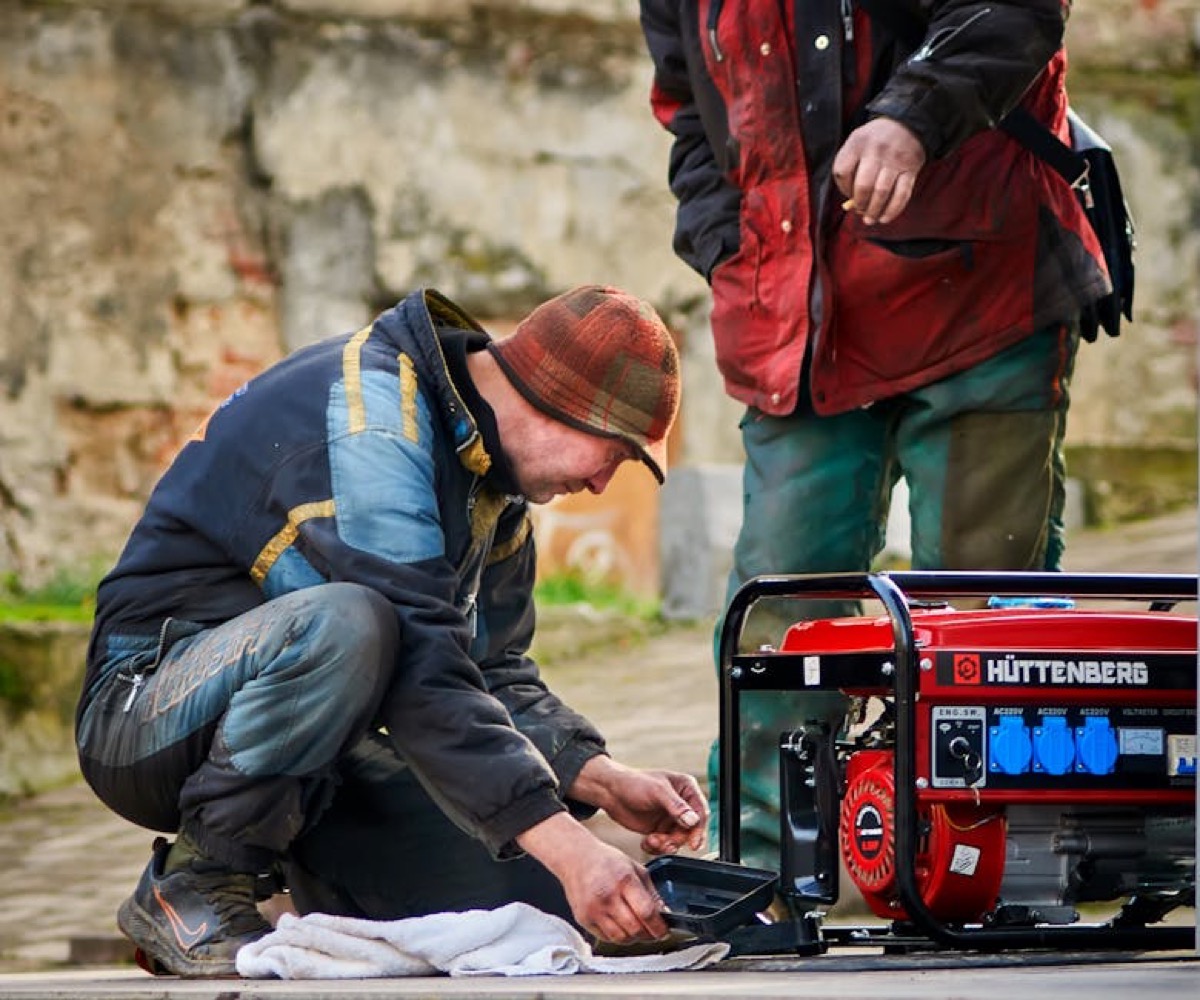
DuroMax claims 72 dBA at 23 feet. That's technically accurate when the generator is running at no-load idle. Under 50% load, noise jumps to 78 dBA at 23 feet. At 75% load, it hits 82 dBA. For reference, 82 dBA is roughly equivalent to a garbage disposal running three feet from your head.
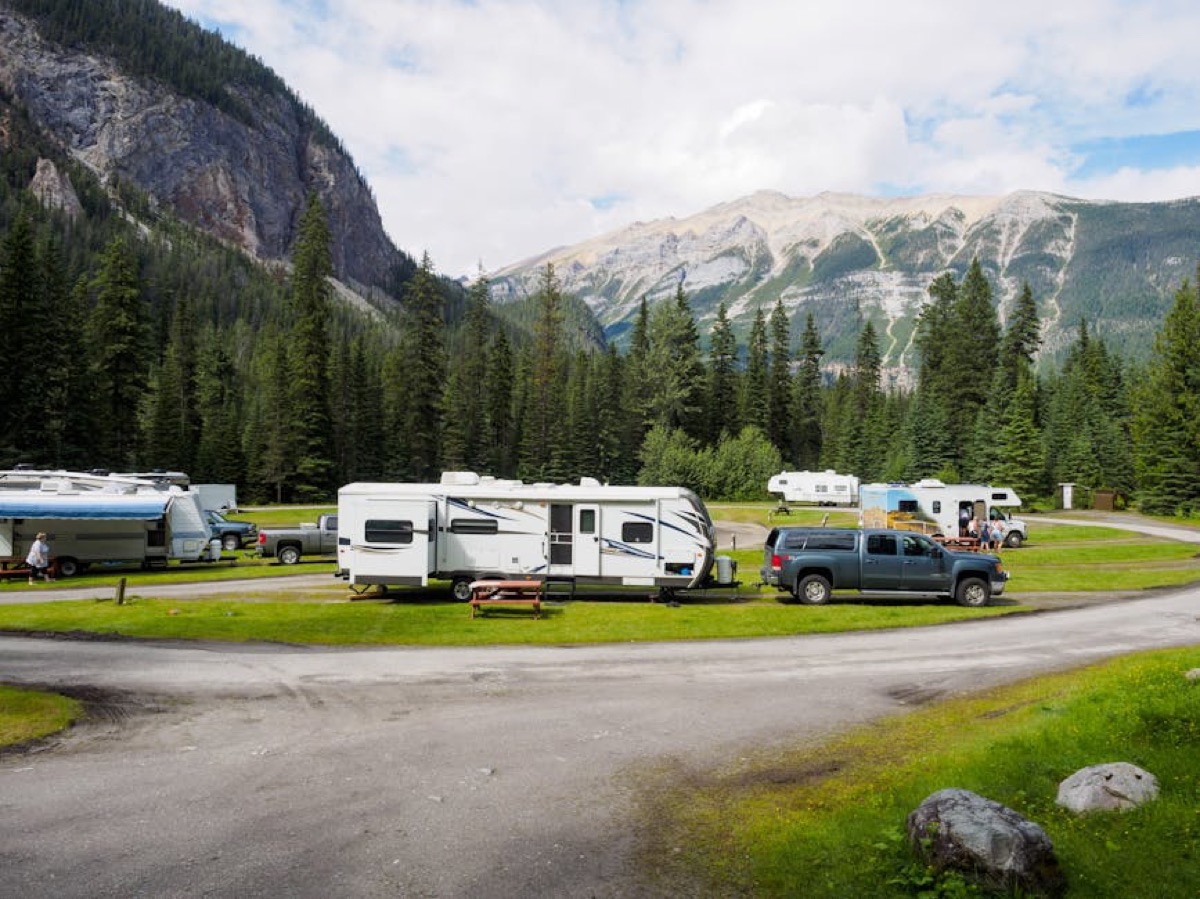
If you're powering a house from the backyard, you'll hear it inside with windows closed. Your neighbors will hear it clearly if they're within 100 feet. RV parks with strict noise rules (many cap generators at 65-70 dBA) will not allow this unit during quiet hours.
For job sites, it's acceptable - construction zones already run 85+ dBA ambient noise. For residential backup where the generator sits 30 feet from your bedroom window, expect to need earplugs or a white noise machine if you're running it overnight.
Reliability After 50 Hours: Common Issues
Fifty hours is not a long-term reliability test, but it's enough to surface the problems most buyers will encounter in the first season of ownership. Here's what showed up:
- Oil consumption: The engine burned about 4 ounces of oil over 50 hours of mixed-load operation. That's higher than Honda or Yamaha units in the same power class, but not alarming. Check oil every 8-10 hours of runtime.
- Spark plug fouling: After 35 hours, the engine started hard-starting on gasoline. Spark plug replacement fixed it. Propane operation did not foul the plug. Budget for plug changes every 40-50 hours if you run gas primarily.
- Circuit breaker sensitivity: The 120V/240V breaker tripped twice under legitimate overload conditions (good), but also tripped once when load was only at 78% (8,200 watts on the gas setting). DuroMax support suggested the breaker may have been warm from prior use, reducing trip tolerance. This is a known issue across multiple DuroMax models.
- Wheel mount bolts: After 20 hours of vibration, two of the four wheel mount bolts had backed out by a quarter-turn. Retighten all frame bolts after the first 10 hours of use.
Nothing here is catastrophic, but these are not issues you'd see on a Honda EU7000iS or a Yamaha EF12000. The DuroMax XP12000EH is a workhorse built to a price point, not to Honda's tolerance standards.
Comparable Alternatives in the 12kW Class
The DuroMax XP12000EH sits in a crowded field. If you're shopping for 10-12kW portable power, here are three alternatives worth comparing:
Westinghouse WGen12500 Dual Fuel
The Westinghouse WGen12500 delivers 12,500 peak watts and 9,500 running watts on gas, with comparable propane derating. Build quality is slightly better than DuroMax (fewer fastener issues), and the electric start engages faster. Noise is nearly identical at 74 dBA no-load, 80 dBA under load.
The Westinghouse includes a wireless remote start fob (DuroMax does not), which is a genuine convenience feature if the generator sits outside and you're operating from inside the house. Pricing is typically $200-300 higher than DuroMax, but warranty support is stronger.
Best use case: Homeowners who want a workhorse backup generator with better support and don't mind paying extra for the remote start convenience.
Champion 201223 Dual-Fuel (9,500W)
The Champion 201223 drops output to 9,500 peak watts (7,600 running on gas), but gains inverter-clean power and CO detection with automatic shutoff. This matters if you're running sensitive electronics - the Champion delivers THD under 3%, while the DuroMax sits around 9-12% THD.
Noise is lower at 69 dBA under load (Champion rates it at 23 feet, same measurement standard), and the unit is about 40 pounds lighter. The tradeoff: you lose 2,500 watts of surge capacity, which may eliminate whole-house backup capability if you have a large central AC unit.
Best use case: RV camping, tailgating, or backup systems for smaller homes (under 2,000 sq ft) where clean power and lower noise outweigh maximum wattage.
WEN DF500iX Dual-Fuel Inverter (5,000W)
If you don't actually need 12,000 watts, the WEN DF500iX is worth considering. It peaks at 5,000 watts (4,500 running), but it's an inverter generator with THD under 3%, CO shutoff, and 57 dBA noise at quarter-load. That's quiet enough for RV parks and residential neighborhoods.
The power output is half the DuroMax, but for many backup scenarios (keeping the fridge, sump pump, lights, and Wi-Fi alive during a storm), 4,500 running watts is enough. And you'll pay about half the price.
Best use case: Budget-conscious buyers who need emergency backup for essentials, not whole-house power, and who value quiet operation over maximum wattage.
Should You Buy the DuroMax XP12000EH?
The DuroMax XP12000EH delivers on its core promise: 12,000 watts of surge power, dual-fuel flexibility, and a price point under $1,500 (street pricing as of mid-2026). It will run your house during an outage. It will power a job site. It will handle RV shore power if you can tolerate the noise.
But it's not refined. The engine is agricultural-grade, the noise is high, and minor annoyances (spark plug fouling, breaker sensitivity, bolt-backing) require attention that Honda and Yamaha units do not. If you're comfortable performing basic maintenance and you prioritize wattage-per-dollar over fit-and-finish, this generator works.
If you want a generator that starts every time, runs quietly, and requires minimal intervention over five years of ownership, spend more. The Westinghouse WGen12500 is a better-built machine for $200-300 more. The Champion 201223 trades wattage for cleaner power and lower noise. And if your power needs are genuinely modest, the WEN DF500iX gives you inverter-clean output at half the cost and half the decibels.
The DuroMax XP12000EH is a solid budget option for buyers who understand the tradeoffs. Just don't expect premium performance at a budget price.