
Published: August 4, 2026 | Last Updated: August 4, 2026
Affiliate Disclosure: Generator Intel participates in the Amazon Services LLC Associates Program. We earn commissions from qualifying purchases through our Amazon links at no extra cost to you. We recommend products based on specifications, performance, and value, not commission rates.
The Bluetti AC500 + B300S is a modular home battery backup system that starts at 3,072Wh and scales to 18,432Wh through additional expansion batteries. At its core: a 5,000-watt pure sine wave inverter (10,000W surge) paired with a 3,072Wh LiFePO4 battery that earns its price in a power outage.
The pitch is energy independence without a permanent installation. Add one B300S battery and you can run critical appliances through a 24-hour outage. Add six and you're looking at 4-day whole-home backup. The question is whether the system actually delivers on that promise - and whether the $3,600+ entry price makes sense for your situation versus a conventional generator or a lighter portable power station.
Here's what the spec sheet doesn't tell you about real-world runtime, solar charging, installation complexity, and where the AC500 wins or loses against the competition.
Quick Picks: Bluetti AC500 System + Alternatives
| Product | Capacity | Output | Best For | Price |
|---|---|---|---|---|
| Bluetti AC500 + 1x B300S Bundle | 3,072Wh | 5,000W | Whole-home backup, scalable system | ~$3,599 |
| Bluetti B300S Expansion Battery (add-on) | +3,072Wh per unit | N/A (battery only) | Expanding an existing AC500 system | ~$2,299 |
| Jackery Explorer 2000 Plus | 2,042Wh | 3,000W | Portable use, lighter loads, camping | ~$1,799 |
| Bluetti AC180 | 1,152Wh | 1,800W | Budget Bluetti entry point, apartment use | ~$599 |
System Overview: What the AC500 + B300S Actually Is
Bluetti designed the AC500 as an inverter-only unit - it has no built-in battery. You must pair it with at least one B300S expansion battery to get a functioning power station. That two-piece architecture is the core of the system's scalability, and also its main source of confusion at purchase time.
The AC500 inverter handles all power conversion: it takes DC from the B300S batteries and converts it to clean 120V AC power through a true pure sine wave inverter. Pure sine wave matters for sensitive electronics - motors, medical equipment, and modern appliances with variable-frequency drives all require it. The AC500 delivers this cleanly at up to 5,000W continuous, with a 10,000W surge rating for startup spikes from compressors and motors.
The B300S is the battery module: 3,072Wh of LiFePO4 chemistry, rated for 3,500+ charge cycles to 80% capacity. At one cycle per day, that's nearly 10 years before noticeable capacity fade. LiFePO4 also means no thermal runaway risk - these batteries don't catch fire when punctured or overcharged, which matters when you're running them inside a home.
Specs Breakdown
| Spec | AC500 Inverter | B300S Battery |
|---|---|---|
| Continuous Output | 5,000W | N/A |
| Surge Output | 10,000W | N/A |
| Capacity | None (inverter only) | 3,072Wh per unit |
| Max Batteries | 6x B300S or 4x B300 | N/A |
| Max System Capacity | 18,432Wh (6x B300S) | N/A |
| AC Input (charging) | 4,500W (1 battery) / 5,000W (2+ batteries) | 500W max direct |
| Solar Input | 3,000W max | 500W max direct |
| AC Outlets | 3x 120V/20A, 1x L14-30, 1x TT-30, 1x NEMA 14-50 | N/A |
| USB | 2x 5V/3A USB-A, 2x 18W USB-A, 2x 100W USB-C | 1x 18W USB-A, 1x 100W USB-C |
| Battery Type | N/A | LiFePO4, 3,500+ cycles |
| Weight | 66.2 lbs | 83.8 lbs |
| Dimensions | 20.5 x 12.8 x 14.1 in | 20.5 x 12.5 x 10.5 in |
| Warranty | 4 years | 4 years |
Capacity and Runtime: What One B300S Actually Runs
Three thousand seventy-two watt-hours sounds like a lot until you start adding up what your home actually draws. Here's the reality check table for one B300S battery (the base system) at roughly 85% inverter efficiency:
| Appliance | Running Watts | Runtime (1x B300S) | Runtime (6x B300S) |
|---|---|---|---|
| Refrigerator (modern 18cu ft) | 150W avg | 16 hours | 4+ days |
| LED lights (10 bulbs) | 100W | 24 hours | 6+ days |
| Laptop + router + phone charging | 80W | 30 hours | 7+ days |
| Mini-split AC (1.5 ton) | 1,200W avg | 2 hours | 12 hours |
| Well pump (1/2 HP) | 900W running / 2,700W surge | 2.5 hours running | 15 hours running |
| Sump pump (1/3 HP) | 800W running | 2.8 hours | 17 hours |
| CPAP machine (no humidifier) | 30W | 80 hours | Multi-week |
The practical takeaway: one B300S handles an emergency kit - fridge, lights, phones, router - for 24-36 hours. For anything resembling whole-home backup with HVAC and water pressure, you're looking at three B300S batteries minimum, which puts the system at 9,216Wh and roughly $8,000-$9,000 total investment.
Solar Charging Speed
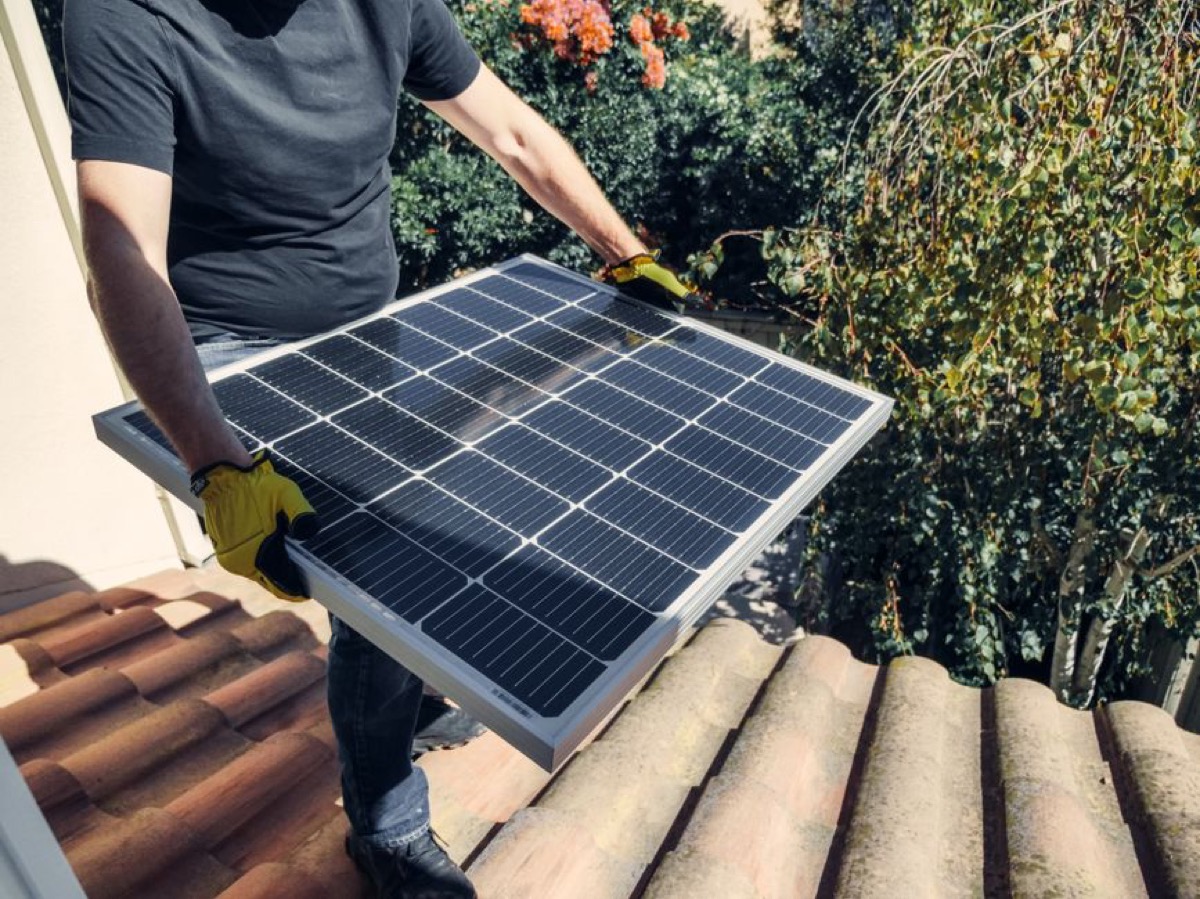
The AC500's 3,000W solar input ceiling is genuinely useful. No current competing system at this price tier accepts that much solar. In practice, a serious off-grid or solar-first setup uses 8-10 panels feeding the AC500 for rapid daytime recharging.
The math with one B300S battery (3,072Wh) and a 2,000W real-world solar array (accounting for 70% panel efficiency in good conditions): full recharge in approximately 2.2 hours of peak sun. A 3,000W array in ideal conditions drops that to under 1.5 hours. Compare that to the 4,500W maximum AC wall charging rate - a B300S charges from 0 to 80% in about 40 minutes via AC, and full in roughly 50 minutes.
The self-heating function on the B300S matters in winter. LiFePO4 batteries lose charging efficiency below 32F and can refuse to charge entirely below 14F. The B300S's built-in heater keeps the battery at an optimal temperature during cold-weather charging - something the base Jackery or standard EcoFlow batteries lack without add-on accessories.
AC Output Quality and Port Selection
The AC500's port lineup is the most practical aspect of the system. The inclusion of NEMA 14-50R (50A/240V), L14-30 (30A/240V), and TT-30 (30A RV) outlets on the AC500 means you can power 240V appliances - electric dryers, EV chargers (slowly), and RV hookups - that most portable power stations cannot touch. The standard L14-30 outlet is also the connection point for a whole-home generator interlock or manual transfer switch, which is how most owners integrate the AC500 into their home's electrical panel without a permanent install.
The 10,000W surge rating is credible and practically important. A 1HP well pump has a surge draw of roughly 3,600W - a system rated at only 5,000W surge would have minimal headroom. The AC500's 10,000W surge budget handles multiple motor startups simultaneously, which is where most competitor systems at this output level fall short during real outages.
Installation Process
Setup out of the box is plug-and-play: connect the B300S to the AC500 via the included cable, plug into a 120V outlet to charge, and power devices through the AC500's outlets. No electrician required for this basic configuration.
Connecting to your home's electrical panel for whole-home backup is a different story. The right approach is a manual transfer switch or interlock kit paired with the AC500's L14-30 outlet. This requires:
- A licensed electrician for panel work ($300-$800 depending on your market)
- A transfer switch or interlock kit compatible with your panel brand ($100-$400)
- An inlet box on the exterior of your home ($50-$150)
- A heavy-gauge extension cord from the AC500 to the inlet ($40-$80)
Total hardwire integration cost: $500-$1,400 beyond the hardware. Most homeowners who want clean whole-home switching go this route. Those who only need to power specific appliances run extension cords directly from the AC500 and skip the electrician entirely.
The B300S units stack vertically next to the AC500. A single B300S + AC500 combo takes roughly 20x26 inches of floor space - about the footprint of a large suitcase standing on end. Six batteries lined up become a substantial installation requiring dedicated space and proper ventilation.
Noise and Emissions
Silence is the AC500's strongest practical advantage over a conventional generator. Zero combustion, zero CO emissions, and no running noise beyond a light cooling fan at high loads. The fan activates above moderate output and registers around 35-40 dB at 3 feet - quieter than a refrigerator compressor.
This matters operationally: the AC500 runs inside your home, garage, or basement without safety concerns. Conventional generators require 20 feet of clearance from windows and doors due to carbon monoxide. During a winter storm outage, the ability to operate your backup power source from inside the house without generator exhaust is a real quality-of-life difference.

Bluetti AC500 vs Competitors
| Spec | Bluetti AC500 + 1x B300S | EcoFlow DELTA Pro 3 | Jackery Explorer 2000 Plus |
|---|---|---|---|
| Continuous Output | 5,000W | 4,000W | 3,000W |
| Base Capacity | 3,072Wh | 4,096Wh | 2,042Wh |
| Max Capacity | 18,432Wh | 12,288Wh | 24,000Wh |
| Battery Chemistry | LiFePO4 | LiFePO4 | LiFePO4 |
| Solar Input | 3,000W | 3,600W | 1,200W |
| Base Price | ~$3,599 | ~$3,699 | ~$1,799 |
| NEMA 14-50R Outlet | Yes | No | No |
| TT-30 RV Outlet | Yes | No | No |
| Battery Cold Weather Heating | Yes (B300S self-heat) | Yes | No |
| Warranty | 4 years | 5 years | 3 years |
The AC500 wins on raw output (5,000W vs 4,000W), port variety (NEMA 14-50R and TT-30 are genuinely useful), and cold-weather readiness through B300S self-heating. EcoFlow DELTA Pro 3 edges it on base capacity (4,096Wh out of box), solar input ceiling (3,600W vs 3,000W), and warranty (5 years vs 4). Jackery is the portable choice - significantly lighter, significantly less expensive, but doesn't serve the same whole-home backup use case at the same load levels.
Common Owner Complaints
The AC500 system isn't without real drawbacks that appear consistently in owner feedback:
- Weight: The AC500 inverter weighs 66.2 lbs and each B300S weighs 83.8 lbs. Moving this system requires planning. It's not portable in any meaningful sense - plan your installation location and don't expect to relocate it easily.
- Entry cost is steep for the base configuration: The AC500 inverter alone is ~$2,599 but is non-functional without at least one B300S battery. The true starting cost is $3,599+ for the bundle. Buyers who don't realize the inverter needs a separate battery purchase feel misled.
- App connectivity is inconsistent: Owners report the Bluetti app (WiFi and Bluetooth) loses connection and requires reconnection more often than expected. The core charging and discharging functions work without the app, but remote monitoring is less reliable than EcoFlow's app experience.
- No built-in inverter bypass for critical circuits: Seamless whole-home backup requires additional electrician work. The DELTA Pro 3's Smart Home Panel integration is cleaner for homeowners who want automatic transfer switching.
Is It Worth $4,000+?
The honest answer depends on what you're replacing or supplementing.
If you're replacing a conventional generator for home backup: the AC500 + two B300S batteries (~$5,900 total) matches or exceeds the runtime flexibility of a portable gas generator in the 7,500-10,000W class, costs less than a comparable propane standby unit, eliminates fuel storage and maintenance costs, and operates silently indoors. Over a 5-year ownership window, the absence of fuel costs and maintenance closes a significant portion of the price gap versus a comparably capable gas generator setup.
If you're supplementing grid power with solar and want resilience: the AC500's 3,000W solar input and modular expansion path makes it the most practical step-up from a basic portable power station for homeowners building toward energy independence incrementally. Buy the base bundle, add B300S batteries as budget allows, and expand solar input over time.
If you want whole-home backup for a typical 2,000 sq ft home with HVAC, well pump, fridge, and lights: budget for three B300S batteries (9,216Wh total, ~$8,200 system cost) and a licensed electrician for transfer switch integration. The base bundle is insufficient for that use case during an extended outage.
For smaller needs - apartment backup, RV power, or camping - the Jackery Explorer 2000 Plus or Bluetti AC180 are better-matched products at lower price points. The AC500 system's complexity and weight only pay off when you actually need the output and expandability.
Bluetti AC500 + B300S: Frequently Asked Questions
How long does the Bluetti AC500 + B300S run a refrigerator?
With one B300S battery (3,072Wh usable), the AC500 runs a 150W average-draw refrigerator for approximately 16 hours. A full six-battery setup (18,432Wh) extends that to 4+ days of continuous refrigerator operation without recharging.
Can the Bluetti AC500 run a central air conditioner?
The AC500 delivers 5,000W continuous with 10,000W surge. It handles a 1.5-ton mini-split (around 1,200W running) or a window unit up to about 18,000 BTU without issues. Standard 3-ton central HVAC systems draw 3,000-5,000W running and need two or more B300S batteries connected for the full output ceiling. High-surge startup compressors benefit from the 10,000W surge headroom.
How many B300S batteries can you connect to one AC500?
Up to six B300S batteries per AC500 inverter, for a maximum of 18,432Wh total capacity. Two AC500 units paired with two B300S batteries each create a 240V split-phase system delivering 10,000W continuous and up to 36,864Wh combined storage.
How fast does the Bluetti AC500 charge with solar panels?
The AC500 accepts up to 3,000W of solar input. With a full 3,000W solar array, one B300S battery (3,072Wh) charges in approximately 1.1-1.5 hours under ideal sun conditions. Real-world solar input at 70-80% efficiency extends that to 1.5-2 hours for a complete recharge from solar alone.
Does the Bluetti AC500 require installation by an electrician?
No permanent installation required for basic operation - it plugs into a 120V outlet to charge and powers devices directly through its built-in outlets. For whole-home backup through your electrical panel, connecting via a transfer switch or interlock kit does require a licensed electrician and adds $500-$1,400 in labor and hardware costs.
How does the Bluetti AC500 compare to the EcoFlow DELTA Pro 3?
The Bluetti AC500 delivers higher continuous output (5,000W vs 4,000W), better port variety (NEMA 14-50R and TT-30), and expands to higher total capacity (18,432Wh vs 12,288Wh max). EcoFlow DELTA Pro 3 offers higher solar input (3,600W), more base capacity out of box (4,096Wh), a better app experience, and a longer warranty (5 years vs 4). For heavy loads and RV use, AC500 has the edge. For cleaner smart-home integration, EcoFlow is the more polished choice.
The 2026 Verdict
The Bluetti AC500 + B300S is a capable, well-engineered modular home backup system that delivers on its core promises: clean 5,000W output, safe LiFePO4 chemistry, meaningful expandability, and practical port selection including NEMA 14-50R and TT-30 that competitors skip. The silent indoor operation is a genuine advantage over conventional generators in winter outage scenarios.
The system earns a strong recommendation for homeowners who need more than a portable power station can deliver - specifically those with well pumps, HVAC loads, or extended outage exposure - and who are willing to invest at the $4,000-$9,000 range for a multi-battery configuration. It is not the right choice for occasional camping or light apartment backup, where something like the Jackery Explorer 2000 Plus or Bluetti AC180 is better matched to the actual load and budget.
Related reading: EcoFlow DELTA Pro vs Jackery Explorer 2000 comparison - or check the Jackery Explorer 2000 Plus full review if the AC500 system is more than you need.
Photos provided by Pexels and Pixabay.
Affiliate Disclosure: Generator Intel participates in the Amazon Services LLC Associates Program, an affiliate advertising program designed to provide a means for sites to earn commissions by linking to Amazon.com. We earn commissions from qualifying purchases made through our Amazon links at no additional cost to you. These commissions support our research, testing, and content creation. We recommend products based on specifications, performance, and value, not commission rates.